
Outdoor Footwear
Outdoor footwear for trail and wet weather: hiking sandals, hiking boots and rain boots for men, with notes on sizing, materials and closures.
More in Camp & Trail
Outdoor Footwear for Trails, Camps and Wet Weather
Outdoor footwear covers shoes and boots made for walking on uneven ground, muddy paths and damp conditions. This collection groups three different styles: hiking sandals, a hiking boot and rain boots for men. Each suits a different kind of day outside, so the right choice depends on terrain, weather and how far the walk goes.
Main types of outdoor footwear
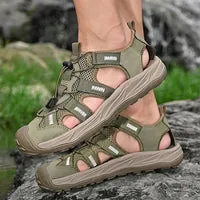
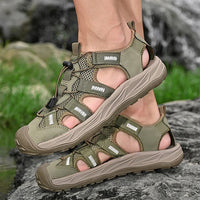
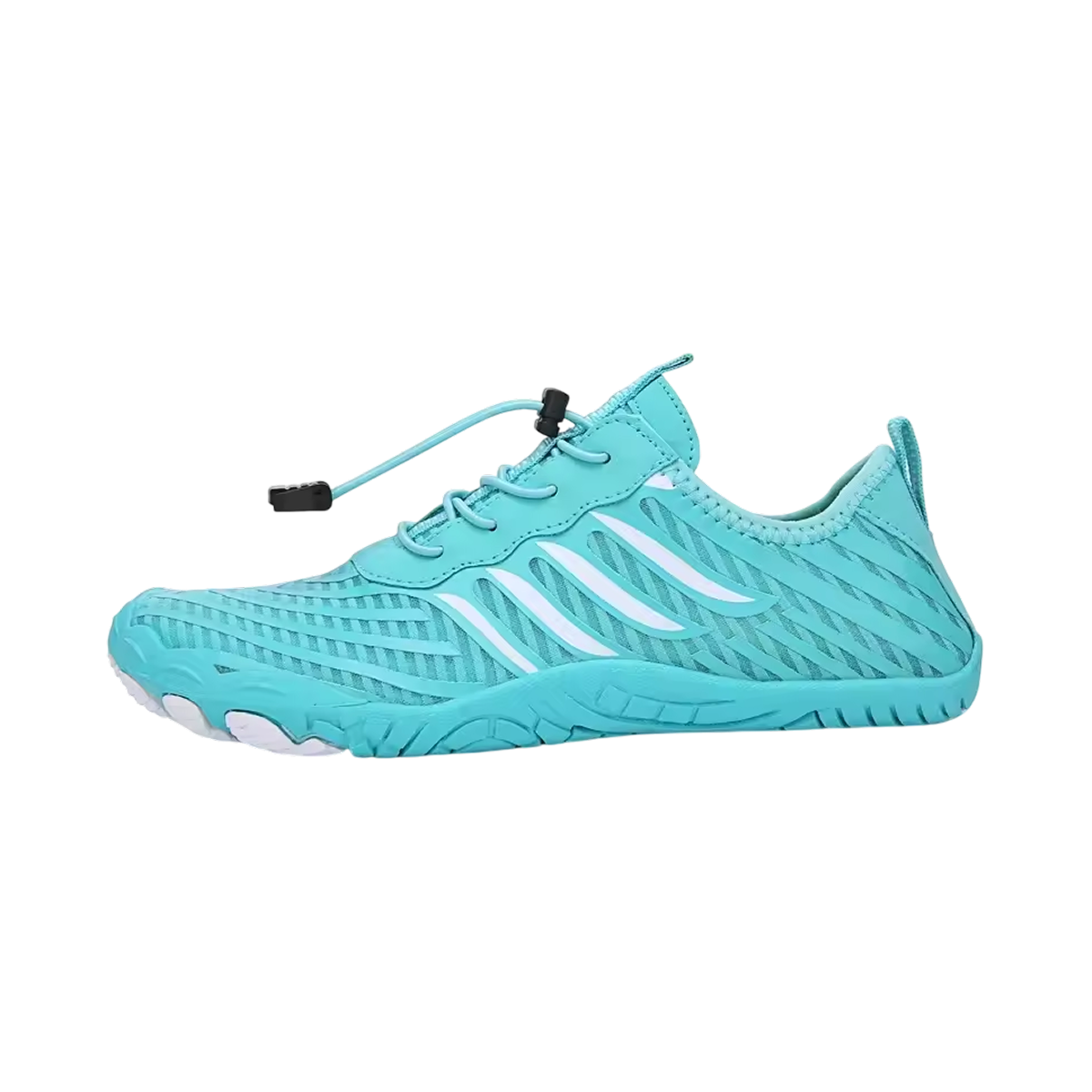
- Hiking sandals: the Fjordwalk is an open style used on warm-weather trails, around camp, near water and on casual walks.
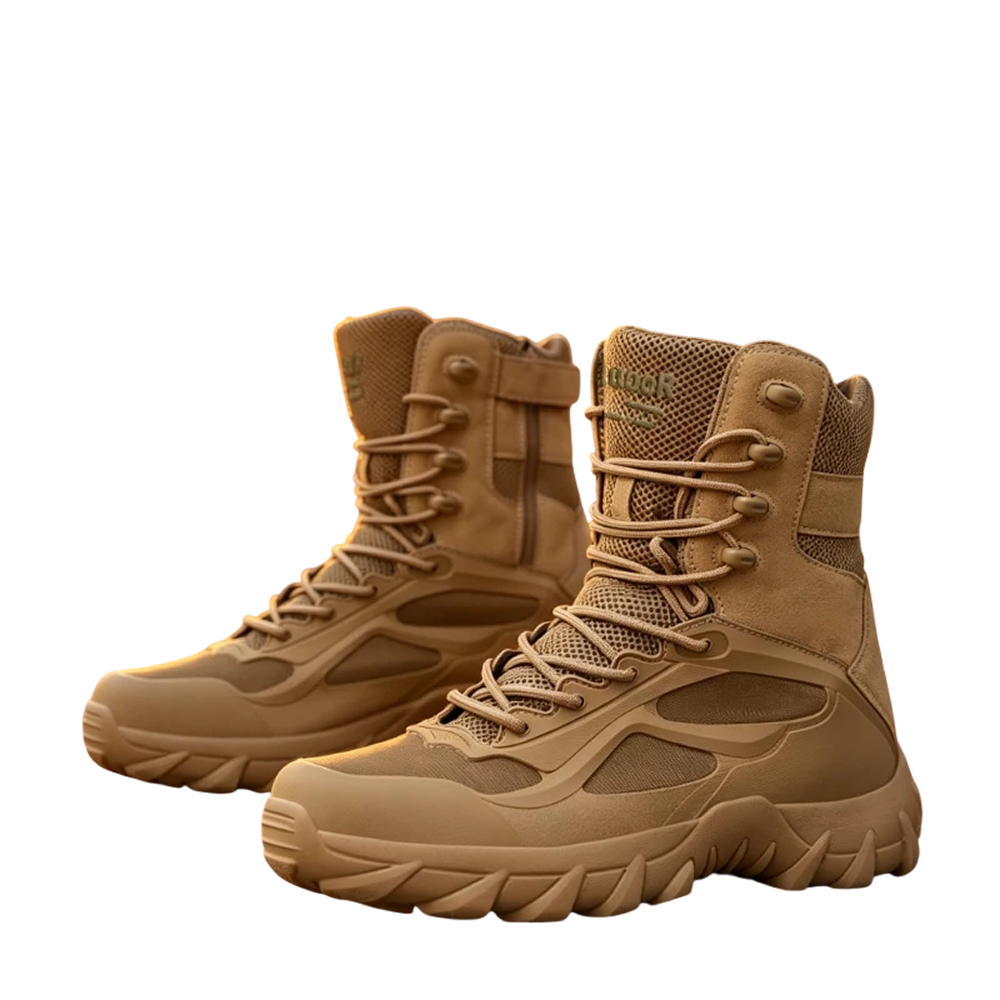
- Hiking boots: the Granvik is a boot style for trail walking, where a higher cut around the ankle is often preferred.
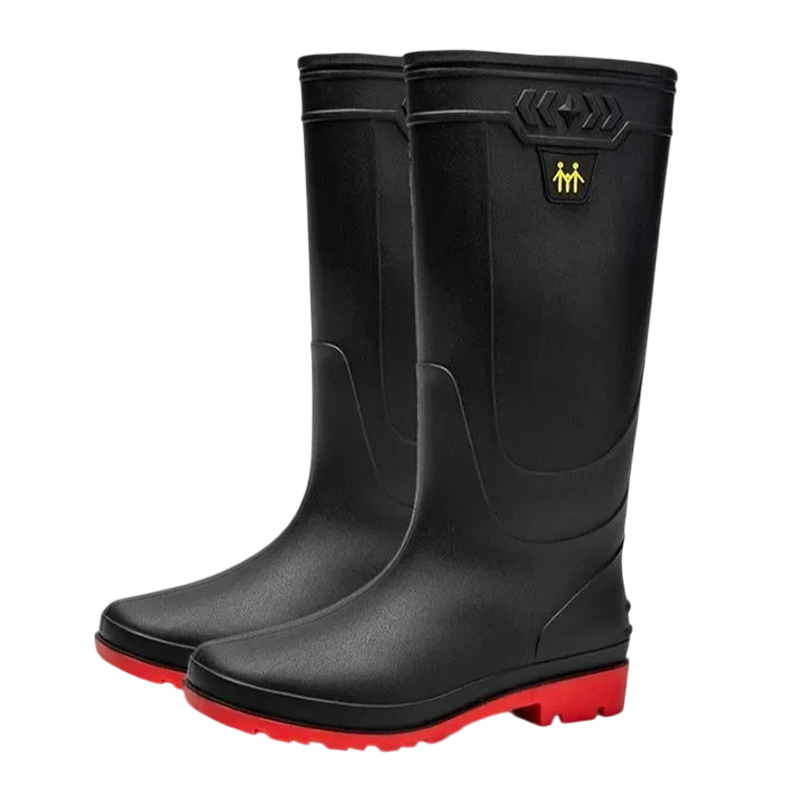
- Rain boots: the Galoshire is a rain boot for men, used for wet yards, muddy campsites and rainy days.
What to compare when choosing
Start with fit and sizing. Foot length, width and the socks planned for the outing all affect which size works. Open sandals leave room for adjustment through straps, while boots rely on lacing or a close shape.
Next, look at materials and construction. Upper material, sole tread and lining differ between a sandal, a hiking boot and a rubber-style rain boot, and these shape grip, flexibility and how the footwear is cleaned and dried afterward.
Finally, consider weather and terrain. Dry, warm routes often call for sandals, mixed trails suit a hiking boot, and consistently wet ground calls for a rain boot. Weight and ankle height also matter on longer walks.
Where outdoor footwear is used
These styles are worn on day hikes, camping trips, fishing outings, garden chores and travel. Many people keep more than one pair so each condition has a matching option. Rinsing off mud and letting footwear air dry helps keep it ready for the next trip.