
Hunting Blinds, Calls & Feeders
Hunting blinds, calls and feeders for deer hunting: camouflage nets, deer grunt calls and deer feeders for hunting stands and woodland setups.
More in Hunting & Optics
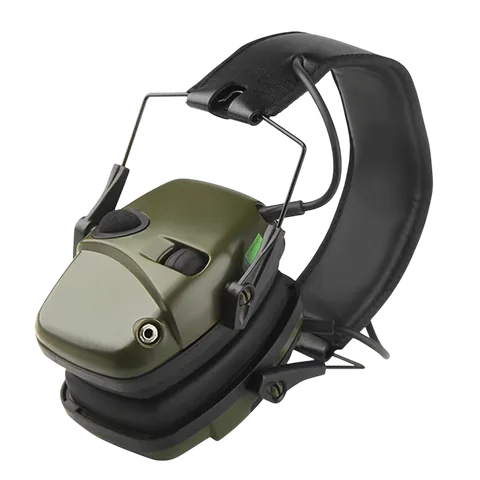
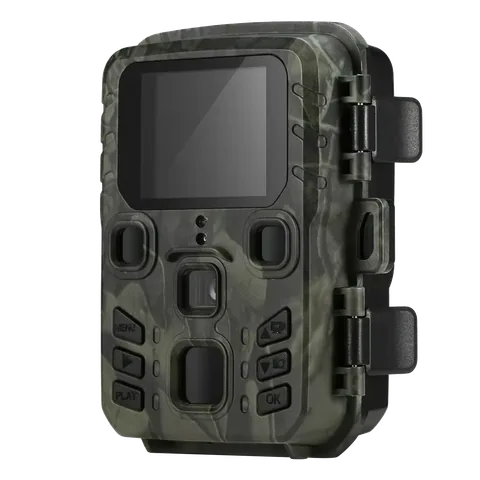
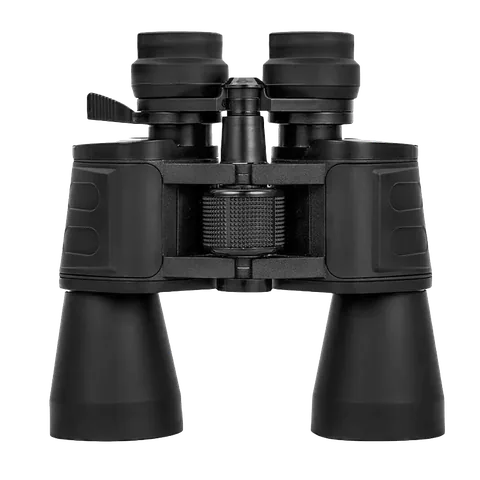
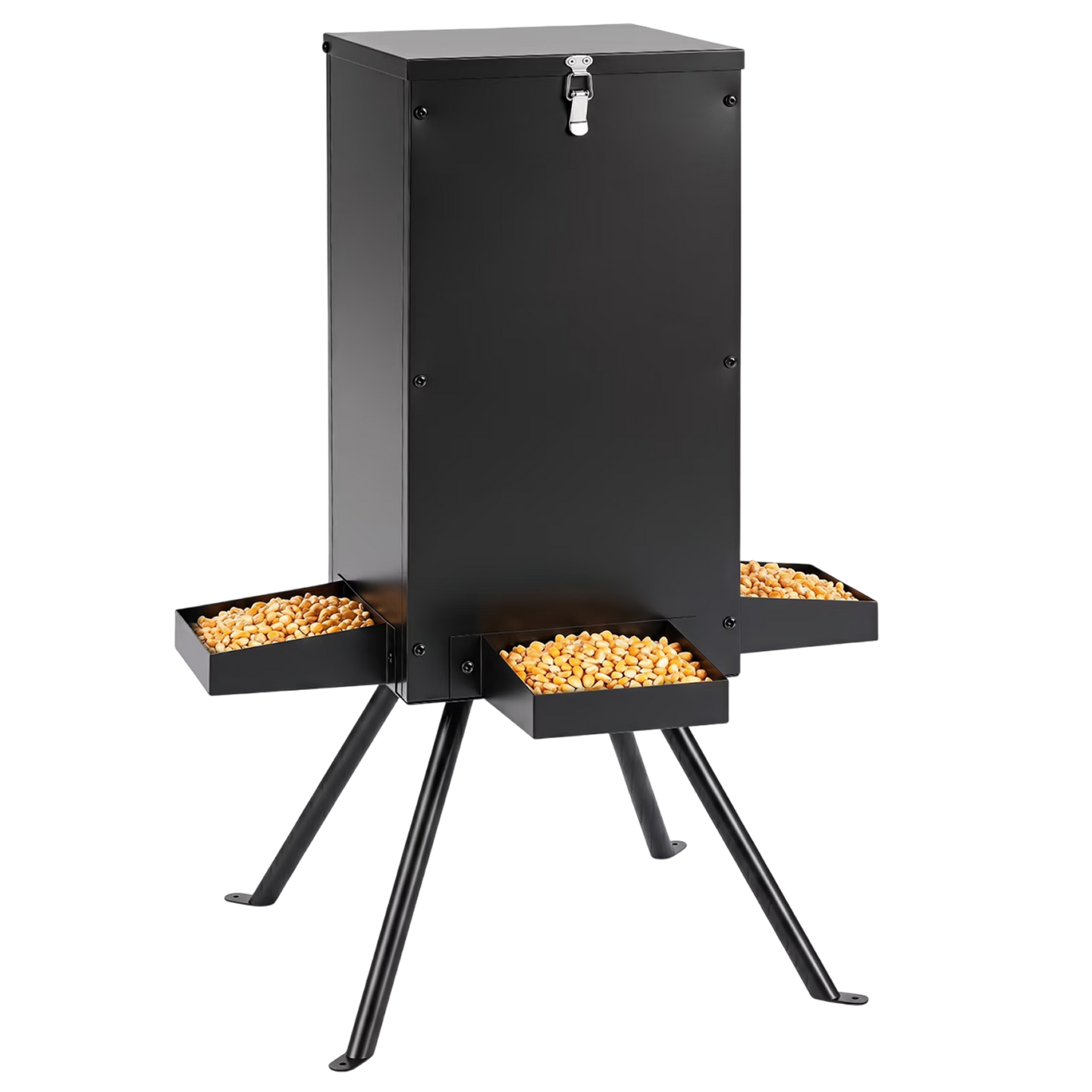
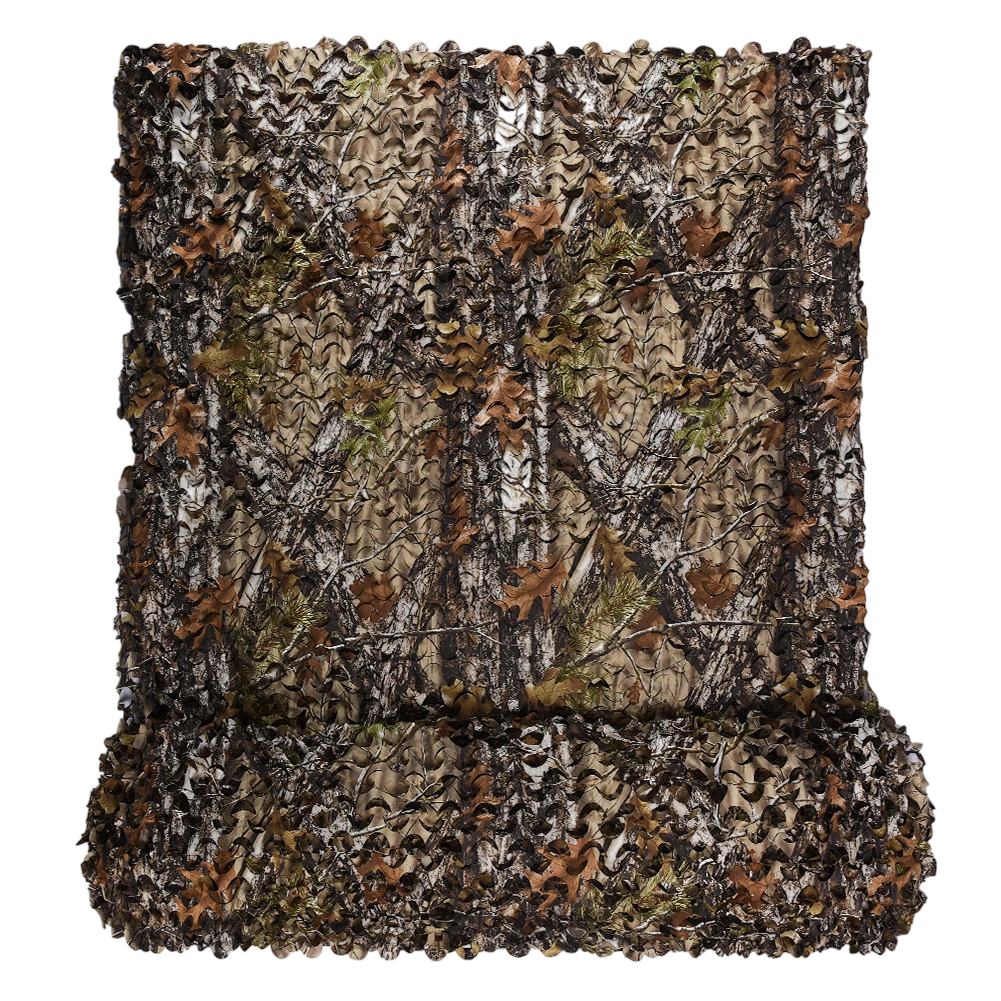
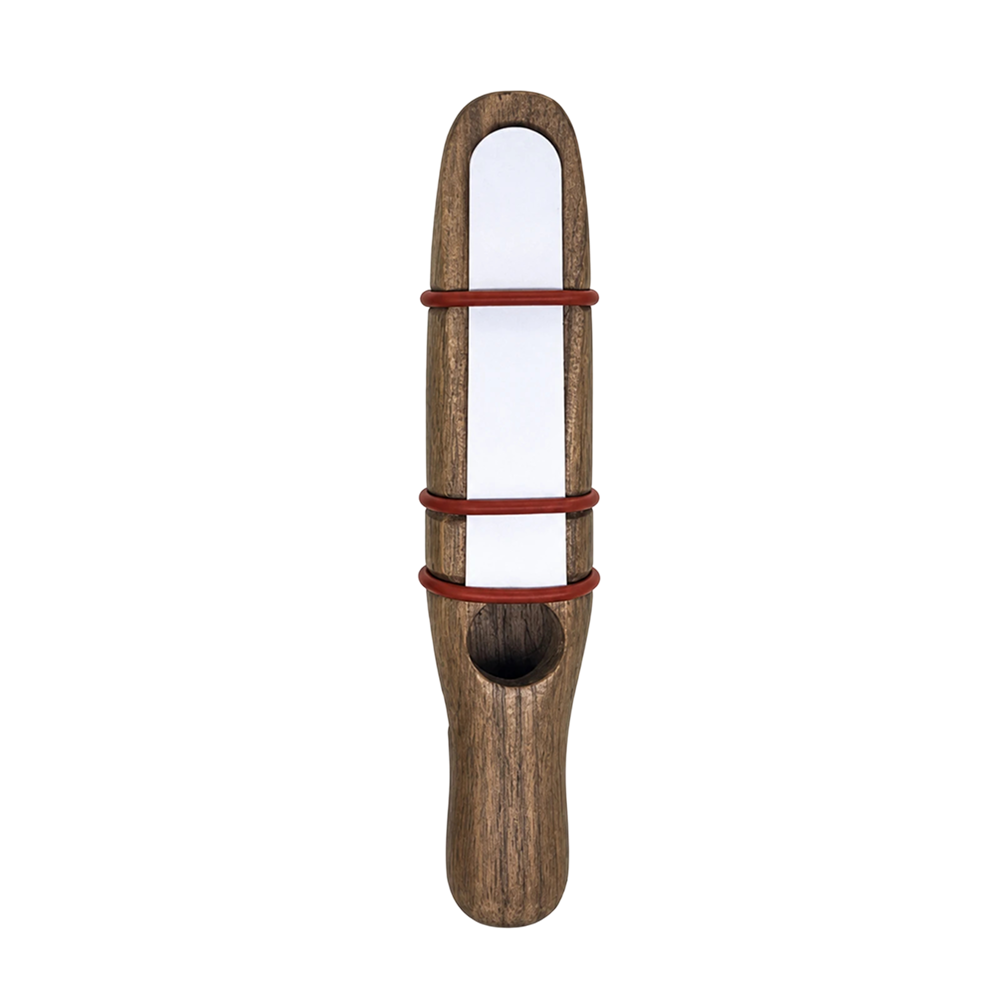
Hunting Blinds, Calls and Feeders for Deer Hunting
This collection groups the gear used to conceal a hunting position, attract deer and stock a feeding station. It covers three product types: camouflage nets, deer grunt calls and deer feeders. Each serves a different stage of a season, from preparing a site to setting up on stand.
Main product types
- Camouflage net: SylvanShroud is a camouflage net used to break up the outline of a blind, stand or ground position and blend it into surrounding cover.
- Deer grunt call: Antlerine is a deer grunt call, a handheld call that hunters use to imitate deer vocalizations during a hunt.
- Deer feeder: Stagmoor is a deer feeder, set up at a fixed location to dispense feed for deer.
What to compare when choosing
For nets, compare the size against the blind or stand to be covered, the camouflage pattern relative to the local vegetation, and how the net is hung or secured. For calls, look at the call type, how it is held and operated, and how easily it can be carried in a pocket or on a lanyard. For feeders, compare capacity, how the feeder is mounted or placed, the way feed is dispensed, and how simple it is to refill and clean.
Typical use settings
Camouflage nets are common around ground blinds, tree stands and shooting lanes in woodland and field edges. Grunt calls are used from a stand or while stalking. Feeders are placed on private land, near food plots or along trails, where the site can be reached for regular refilling. Many hunters combine all three, using a feeder to establish a location, a net to conceal the position and a call during the hunt.
Local regulations on baiting and feeding differ by state and by land type, so hunting rules for the area should be checked before a feeder is set up.