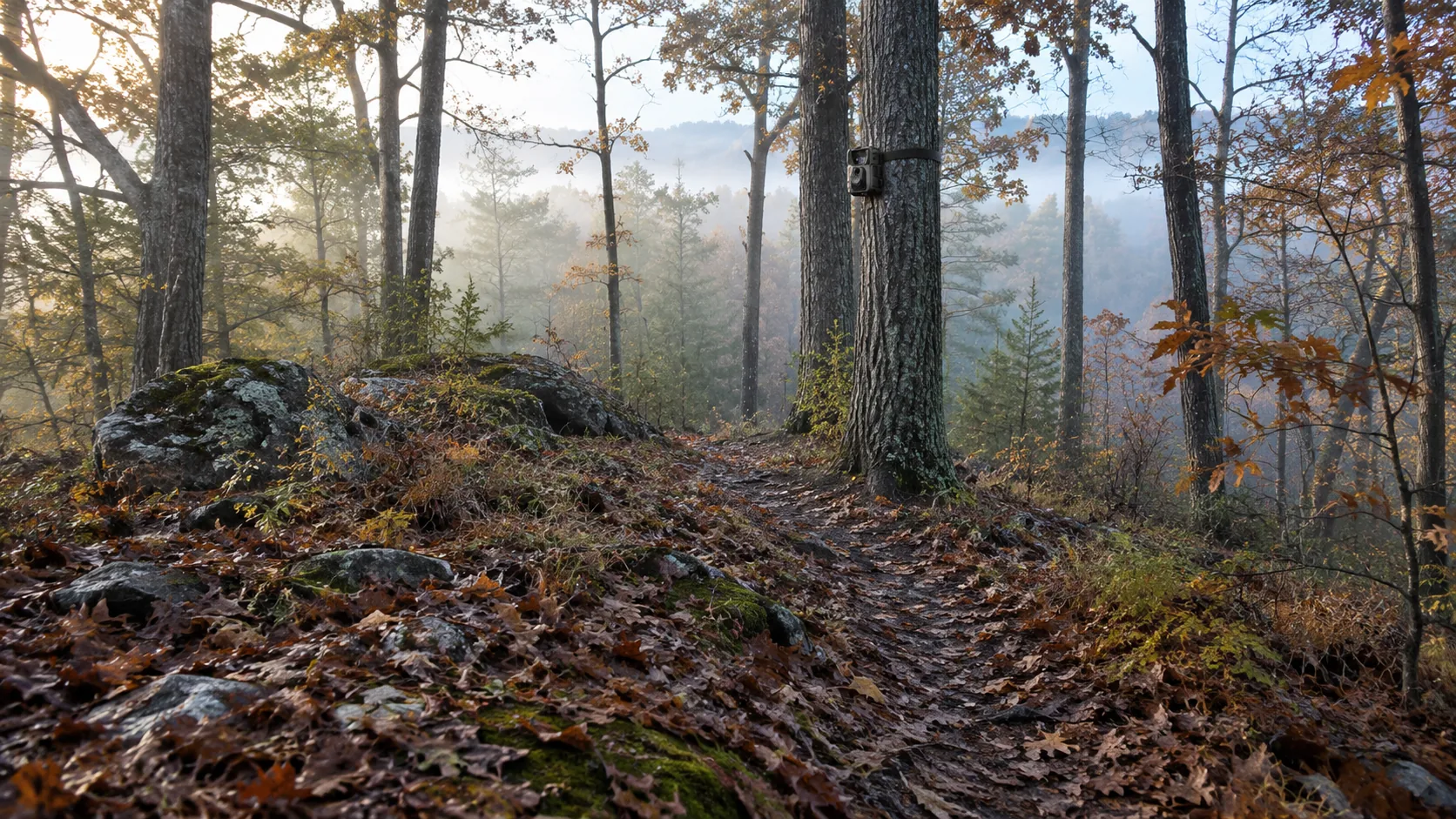
Trail Cameras & Rangefinders
Trail cameras and rangefinders for hunting, including wireless cellular trail cameras, a hunting rangefinder, and a bow sight for scouting and aiming.
More in Hunting & Optics
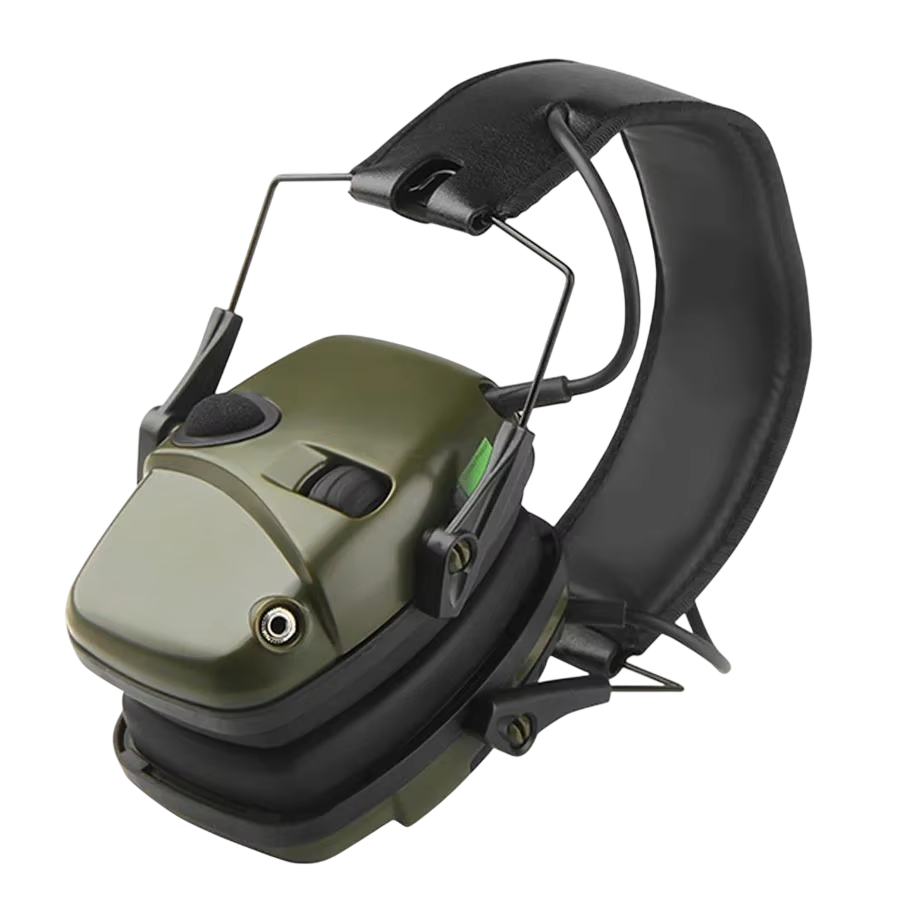
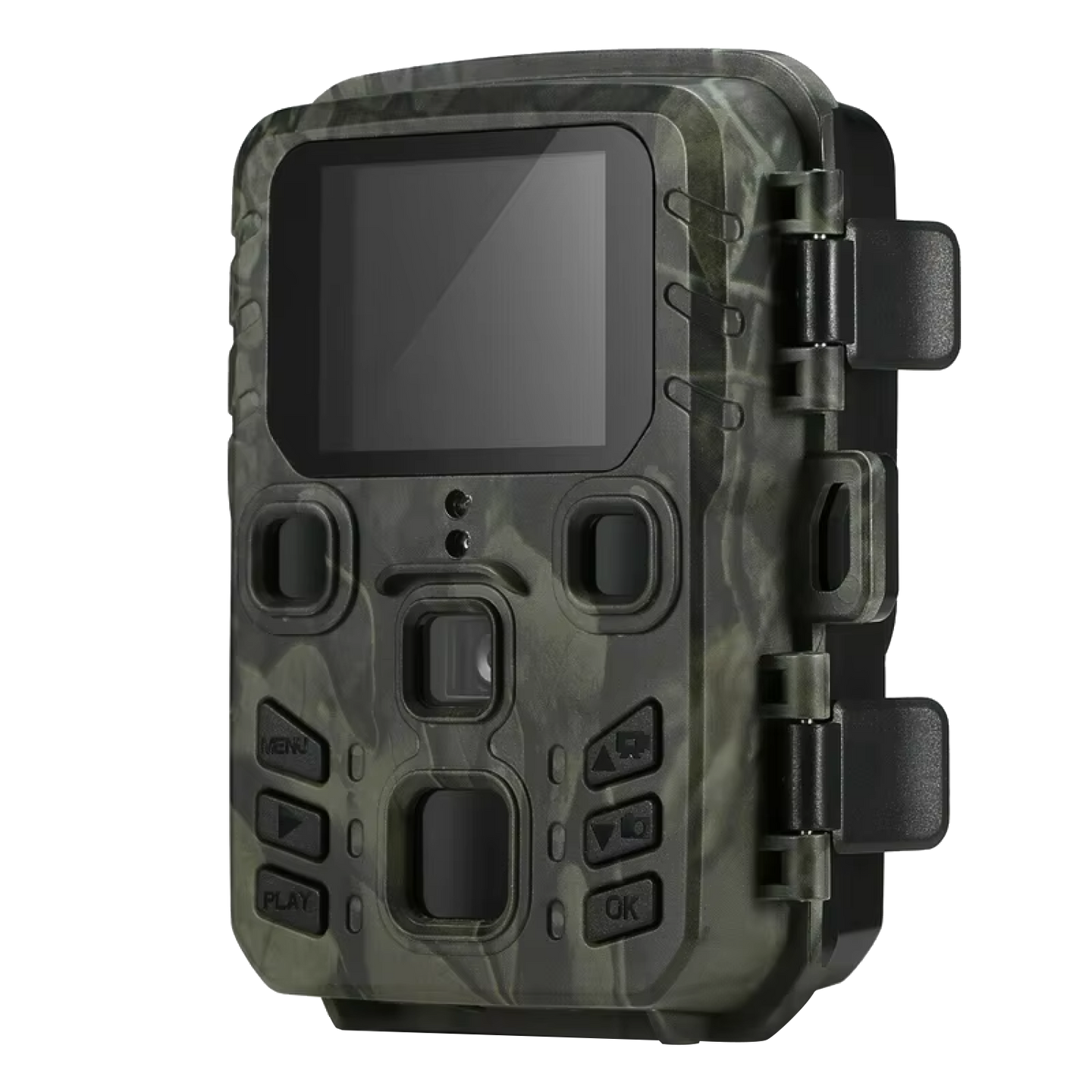
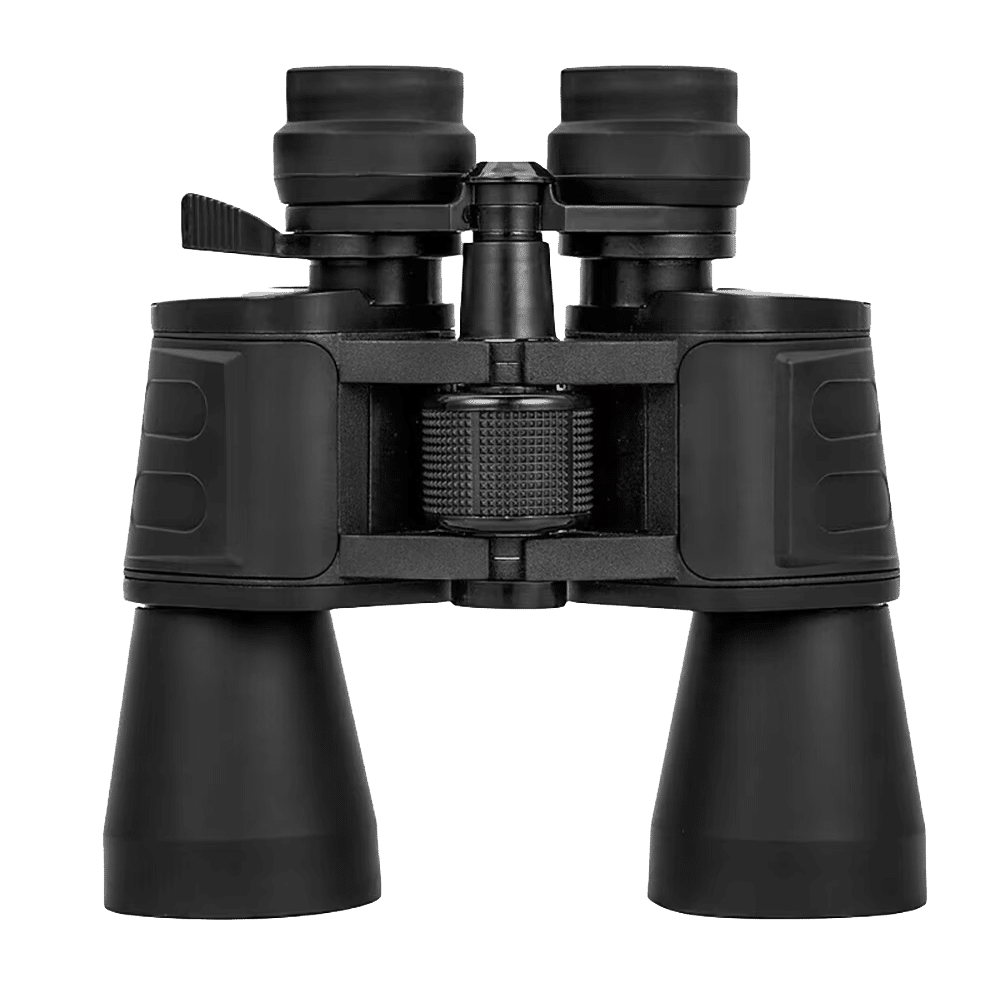
Trail Cameras and Rangefinders for Scouting and Hunting
This collection groups the tools hunters use to scout an area and to prepare a shot. It includes two trail cameras, a hunting rangefinder, and a bow sight, so it covers both the observation side and the aiming side of a season.
Product types
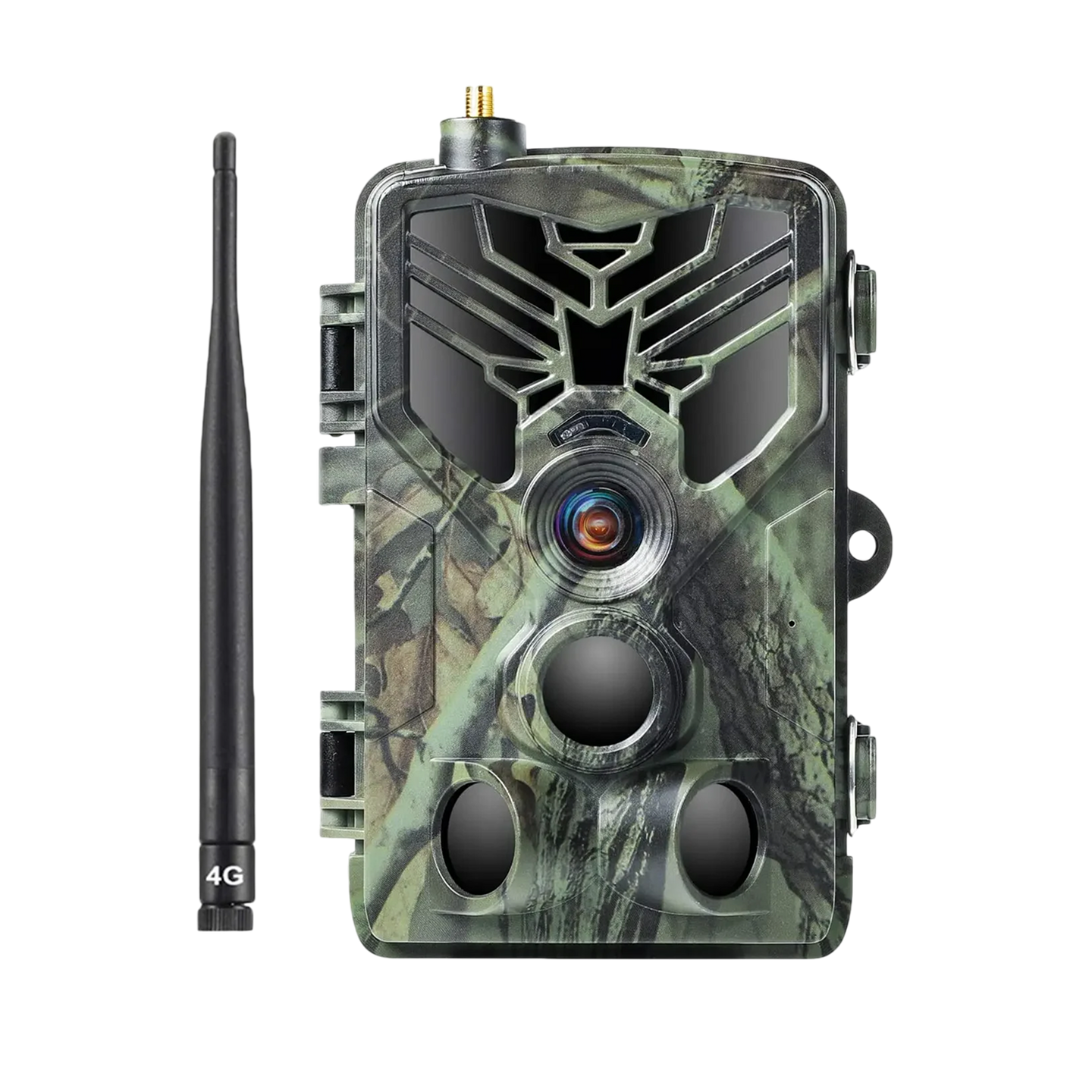
- Trail cameras: the ScoutEye is a hunting trail camera, and the ScoutRidge is a wireless cellular trail camera that connects over a cellular network.
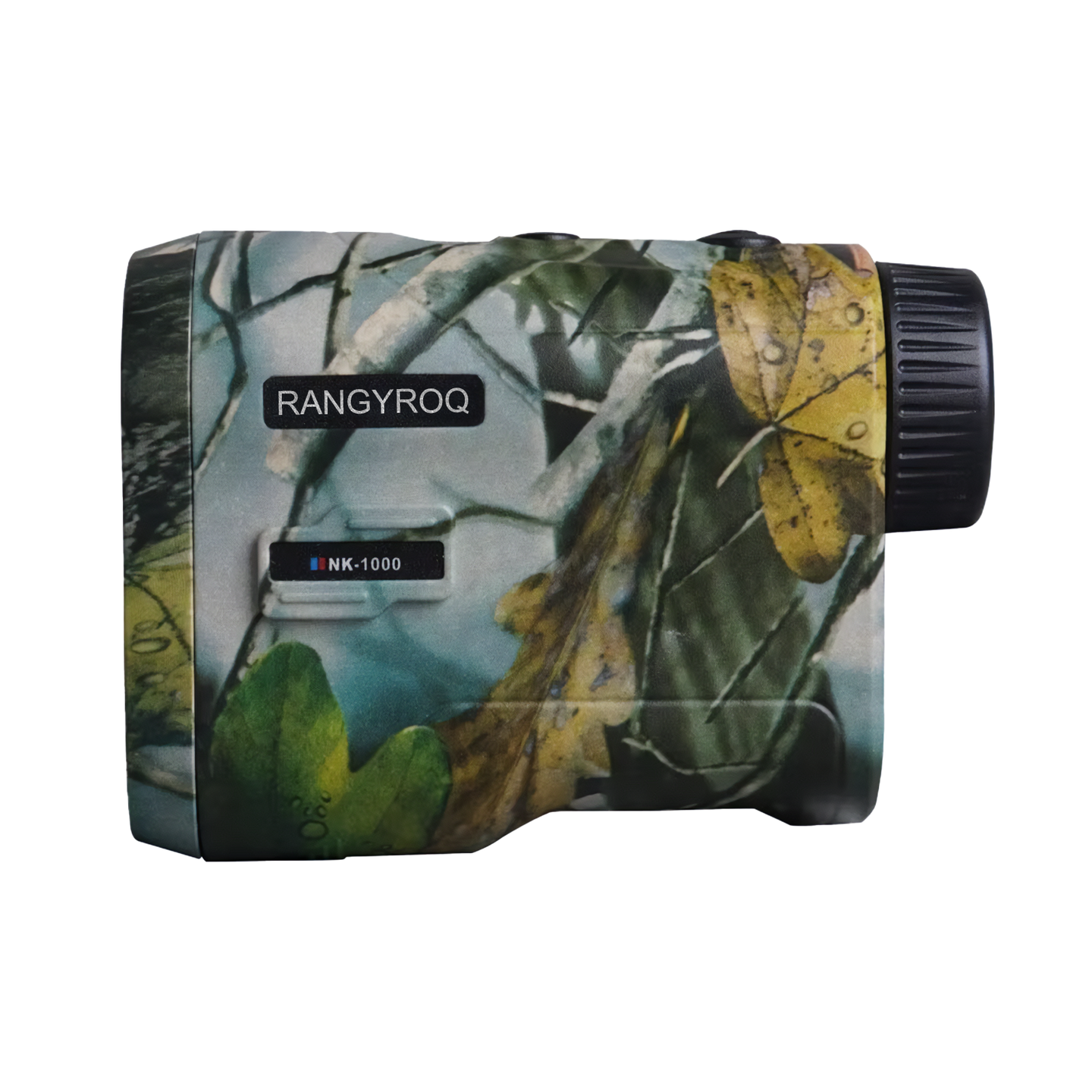
- Rangefinders: the SightForge is a hunting rangefinder used to measure the distance to a target.
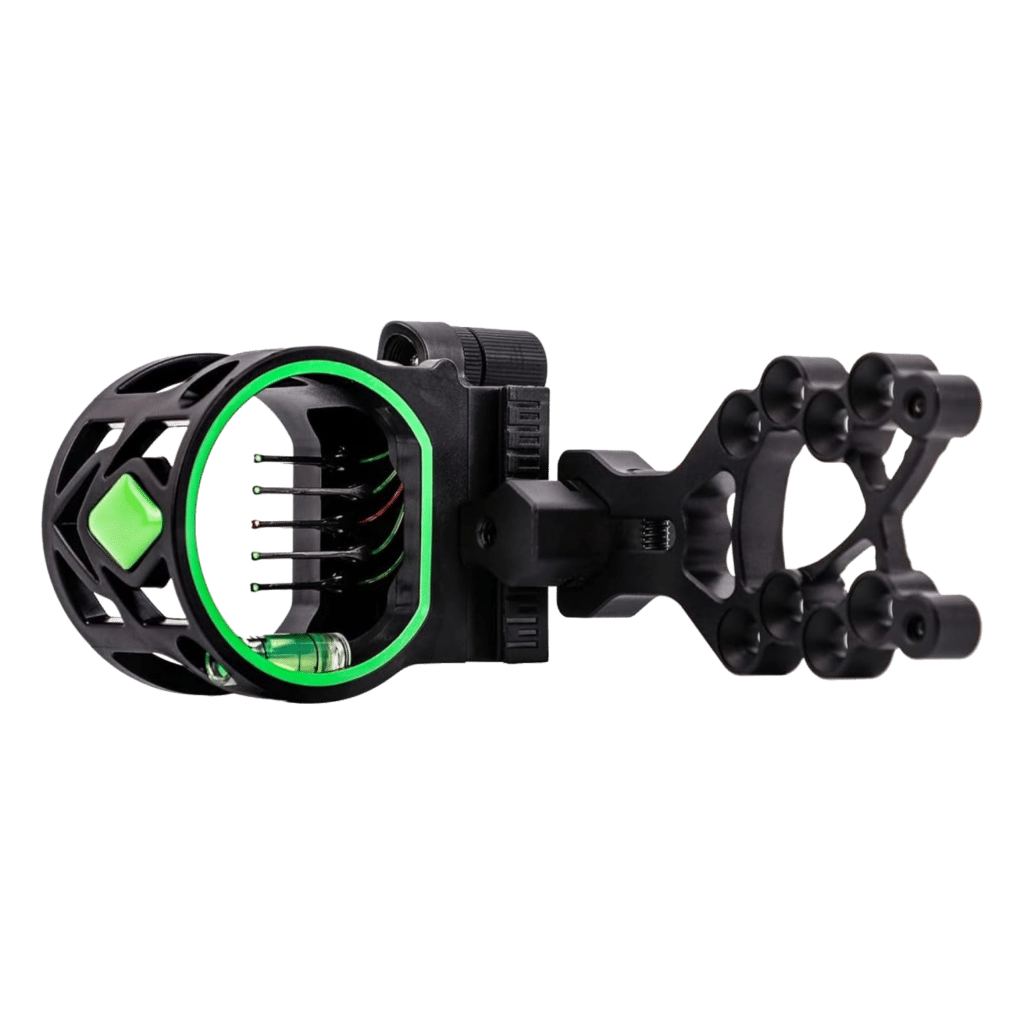
- Bow sights: the TruArc Sight mounts on a bow and gives the archer an aiming reference.
What to compare
For trail cameras, the main decision is how images are retrieved. A cellular trail camera sends files to a phone or computer, while a standard hunting camera usually stores them for collection on site. Also compare mounting method, power source, and how the camera is placed along a trail, feeder, or field edge.
For a rangefinder, compare size and weight, and whether it is easy to carry in a pocket or pack. For a bow sight, check that it fits the bow's mounting setup and suits the shooter's preferred aiming style.
Typical use settings
Trail cameras are placed on trees or posts to record wildlife activity over days or weeks. Rangefinders and bow sights are used in the field, from a treestand, a ground blind, or while stalking. Hunters often combine scouting cameras with a rangefinder to plan stand locations and confirm shooting distances before the season opens.