Size 5 Soccer Ball Dimensions vs Size 3 and 4, by Age
A size 5 ball measures 27 to 28 inches (68 to 70 cm) around and suits players aged 12 and older. Use the table to compare sizes 3, 4 and 5, then check any ball at home.
The Kesslund Team
November 14, 2026 · 7 min read

Size 5 soccer ball dimensions are 27 to 28 inches (68 to 70 cm) in circumference and 14 to 16 oz (410 to 450 g) in weight, which is the ball for players aged 12 and older. Size 4 fits roughly ages 8 to 12, and size 3 fits players under 8.
Below you get one table for all three sizes, a plain explanation of how they differ, and a home routine to measure, weigh and inflate a ball so you know it matches its label.
Size 5 soccer ball dimensions by age group
Sizes are set by circumference and weight, and the age ranges follow from them. Use the table as a starting point, then adjust for the individual player and the league, since some leagues set their own size by age group.
| Ball size | Typical age | Circumference | Weight | Pressure |
|---|---|---|---|---|
| Size 3 | Under 8 | 23 to 24 in (58 to 61 cm) | 11 to 12 oz (310 to 340 g) | See the range printed near the valve |
| Size 4 | 8 to 12 | 25 to 26 in (63.5 to 66 cm) | 12 to 14 oz (350 to 390 g) | See the range printed near the valve |
| Size 5 | 12 and older, adults | 27 to 28 in (68 to 70 cm) | 14 to 16 oz (410 to 450 g) | 8.5 to 15.6 psi (0.6 to 1.1 bar) for a full-size match ball |
The size 5 pressure is the standard full-size match range. Youth balls in sizes 3 and 4 follow the range printed near the valve on the ball, so always check your own ball.
What the numbers mean in practice
A size 5 ball has a diameter of about 8.5 to 8.8 in (21.6 to 22.3 cm). Measuring around the widest point gives the circumference, and that is the figure printed in size charts.
The jump from size 4 to size 5 is about 2 in (5 cm) of circumference and roughly 2 oz (60 g) of weight. That changes how the ball travels off the foot, so players moving to size 5 may need a few sessions to adjust their passing and shooting.
Size 3 and size 4: where each one fits
Size 3 soccer ball dimensions
A size 3 ball is 23 to 24 in (58 to 61 cm) around and weighs 11 to 12 oz (310 to 340 g). It suits the youngest players, under age 8, who are learning first touches, dribbling and simple passes.
Size 4 soccer ball dimensions
Size 4 measures 25 to 26 in (63.5 to 66 cm) and weighs 12 to 14 oz (350 to 390 g). It is the middle step for ages 8 to 12, and youth leagues use it before the move to full size.
Size 1 and size 2
Smaller balls exist for skills work. A size 1 is a mini ball for juggling and close control drills, and a size 2 is a slightly larger skills ball. Neither is a match ball, so keep them for footwork practice.
When a player should switch to size 5
Age is the main guide, and the switch comes around age 12. Check the rules of your league first, because a club may move players on a different schedule.
Use the match size for most training. If a player on size 4 tries a size 5, keep it to short drills and follow the guidance of the coach or league, since a heavier ball changes the kicking motion.
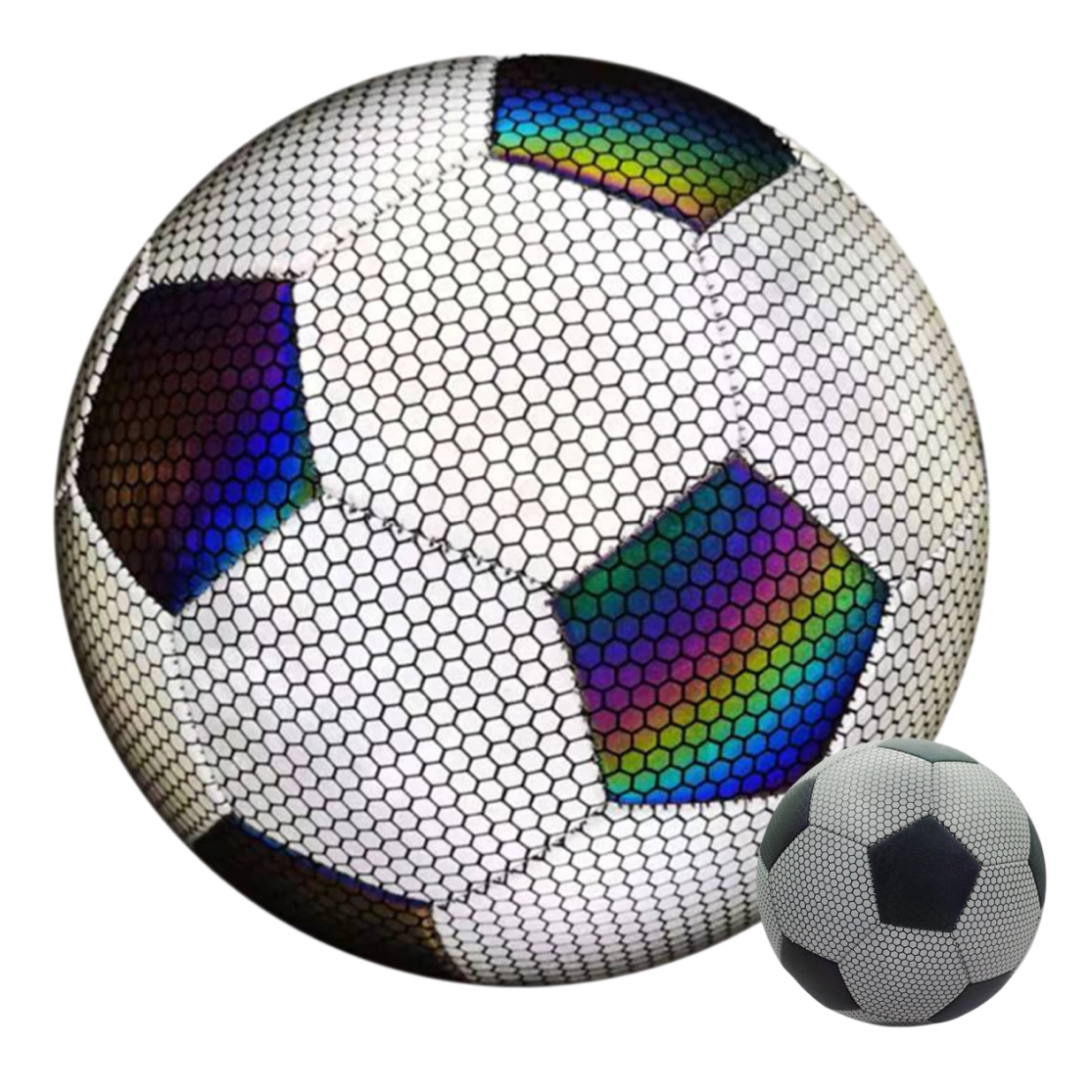
For older players and adults who want a full-size ball for pickup games and night sessions, NovaKick is a Size 5 soccer ball with a rotational-molded butyl core, a moisture-absorbing PU shell and a holographic reflective layer. It comes with a pump needle and a mesh carry bag, and it takes standard Size 5 match pressure.
 In this guideNovaKick$59.99View
How to measure and check a ball at home
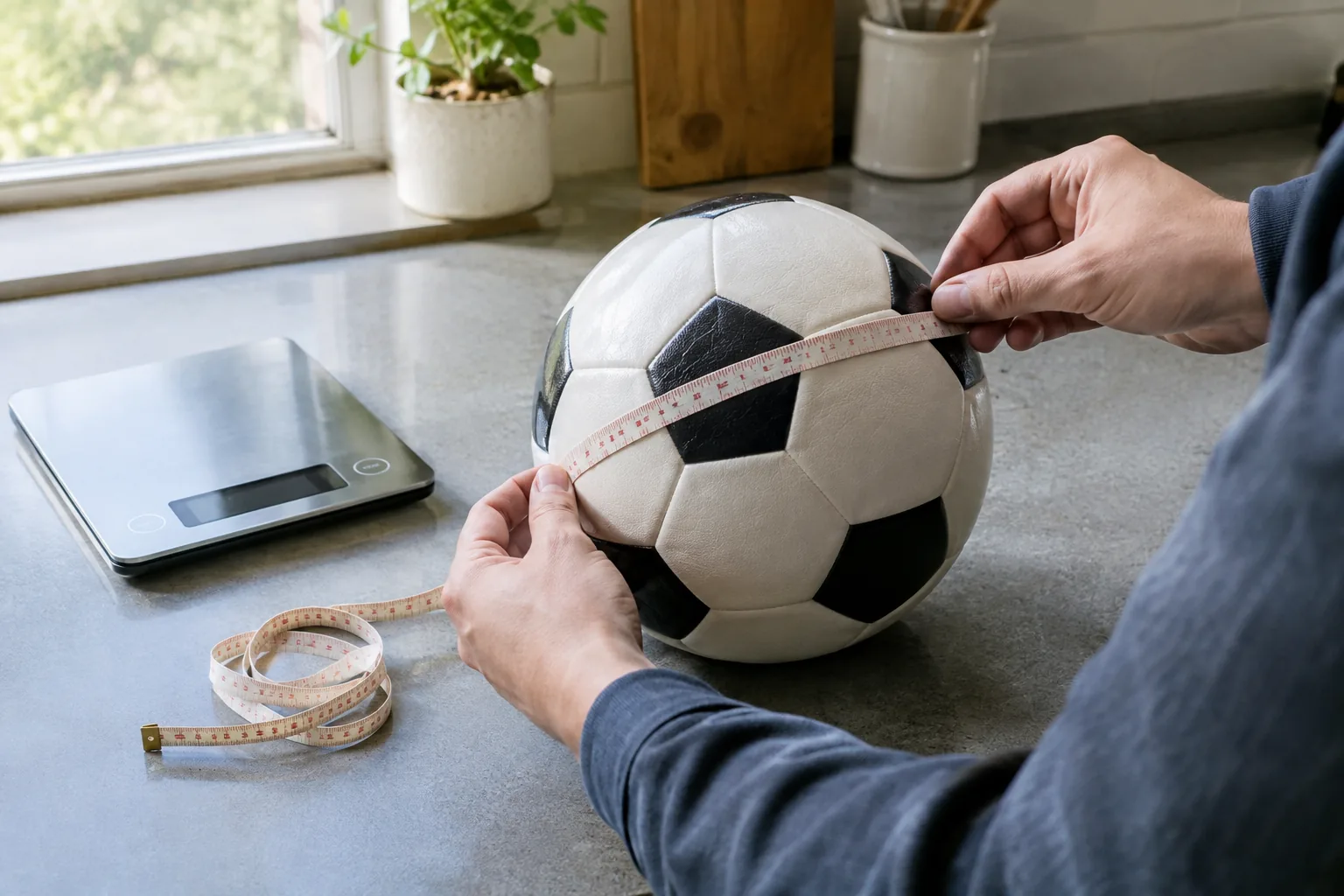
You need a soft cloth or sewing tape, a kitchen scale and a pressure gauge. Do the checks with the ball at room temperature, since heat and cold change the pressure inside.
- Inflate the ball to the pressure printed near the valve, using a pump and a moistened needle.
- Wrap the tape around the widest part of the ball, keeping it flat and level against the panels.
- Read the number and repeat at two more spots, turning the ball each time. The three readings should be within a few millimeters of each other.
- Compare the average with the circumference column in the table.
- Put the ball on the scale and compare the weight with the table. A wet or muddy ball weighs more, so dry it first.
- Check the shape: roll the ball on a flat floor and watch for a wobble or a path that drifts to one side.
A ball that reads slightly outside the range may just be underinflated or overinflated, so adjust the pressure and measure again. If it still reads well outside the range, or looks lopsided, the size label may be wrong or the ball worn out.
Field note
Measure circumference at the temperature where you will play: a ball pumped in a warm car and checked on a cold field will read differently. Let it reach the same temperature before you trust the number.
Pressure and inflation basics
Pressure changes how a ball feels as much as size does. An underinflated ball feels heavy and dies on the bounce, while an overinflated one feels hard and bounces away from the foot.
- Find the pressure range stamped near the valve and stay inside it.
- Moisten the pump needle with a drop of water before inserting it.
- Add air in small amounts and check with a gauge rather than pressing with a thumb.
- Release a little air before leaving a ball in a hot car or in direct sun, and recheck when it cools.
- Store the ball partly inflated, away from heat, so the panels and bladder keep their shape.
A butyl bladder, the inner air chamber, holds air for a good while but still loses some, so recheck pressure before each session.
Match ball, training ball, futsal ball or indoor ball
Size is only one label. The ball type changes how it behaves on different surfaces, so check both before you buy.
| Type | Surface | What to check |
|---|---|---|
| Match ball | Grass, turf | Size by age group, pressure range, seam construction |
| Training ball | Grass, turf, hard ground | Durable cover and a size that matches the team |
| Recreational ball | Backyard, park, beach | Cover that handles rough ground |
| Futsal ball | Hard indoor court | A separate ball type; follow the size on the label, not the soccer chart |
| Indoor soccer ball | Hard surface | Cover and bounce built for hard floors |
A futsal ball is not the same as a size 4 soccer ball, even when it is labeled 4. It is built to bounce less on a hard court, so do not swap one for the other in a match.
Buying for a team or a backyard
For a team, buy the size that matches the age group of the league, then add a few spare balls in the same size so everyone trains with one weight and feel. Keep a pump with a gauge in the equipment bag, and write the pressure range on the bag so any parent or coach can check it.
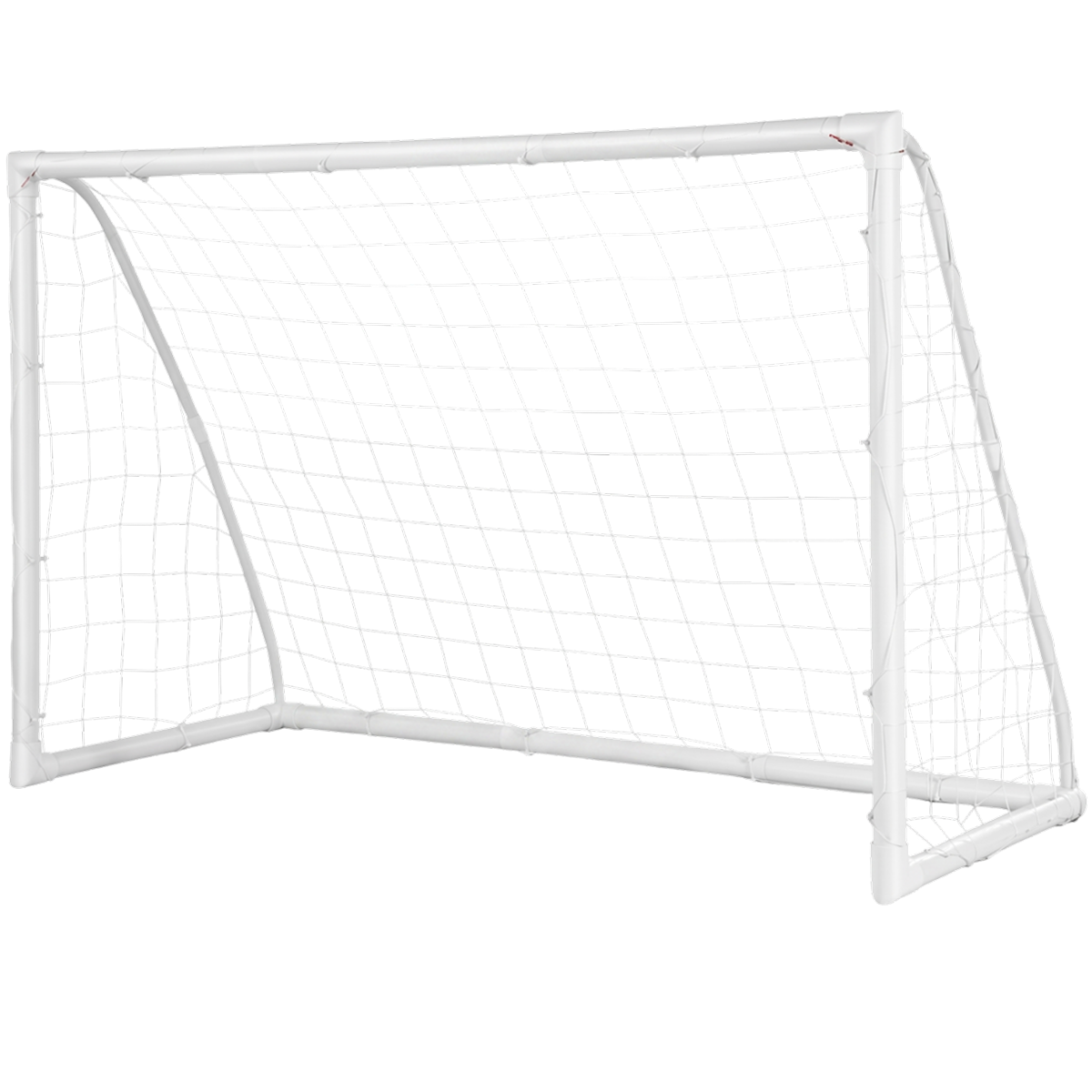
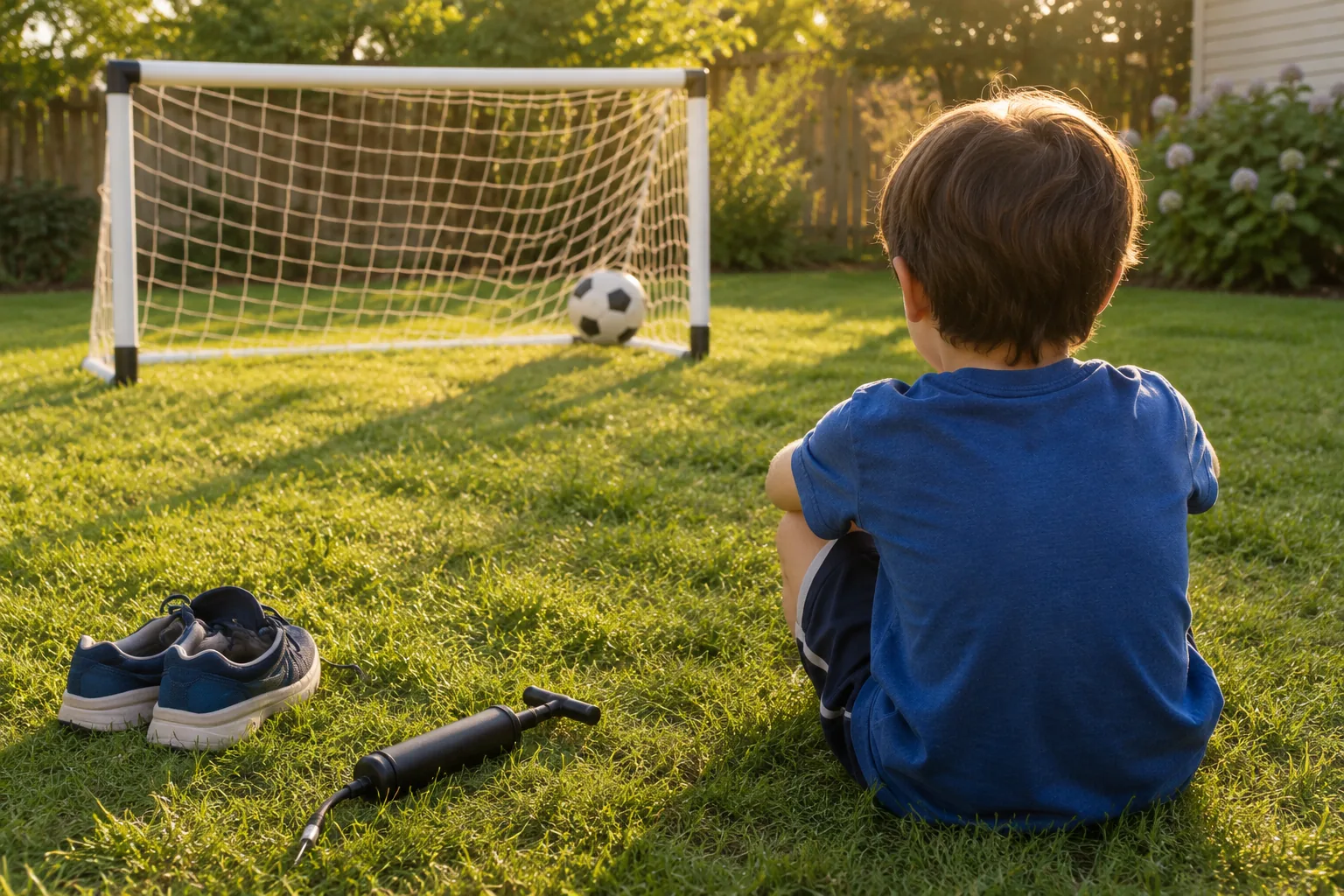
For a backyard, park or beach, you can set up a small goal for shooting practice. GoalHaus is a 6 x 4 FT goal with a UPVC tube frame and a nylon net. It snaps together by hand, anchors with four steel stakes and weighs 3.5 kg (about 7.7 lb), and the 6 x 4 FT size suits kids aged 6 and older working on aim and ball control. Pair it with a size 3 or 4 ball for younger players.
Planning a beach session? The guide Chair on the Beach: How to Pick Height, Recline and Carry Style helps you choose a seat for the sideline.
 In this guideGoalHaus$229.99View
Common mistakes when choosing a ball size
- Buying a size 5 for a young child to grow into, which makes passing and kicking harder to learn.
- Trusting the size label alone, without checking circumference and weight on a ball of unknown make.
- Ignoring league rules, which set the size by age group.
- Using a futsal or indoor ball outdoors and expecting a regular soccer bounce.
- Skipping pressure checks, then blaming the ball for a flat touch.
For more backyard play gear, browse the Court, Golf & Backyard Games collection.