Travel With a Backpack: Choosing a Carry-On Pack That Works
To travel with a backpack, match it to your airline's carry-on size, choose liters by trip length, pick a flat-opening design and check the fit. This checklist walks you through each step.
Wes Tanner
October 13, 2026 · 8 min read · Updated October 14, 2026
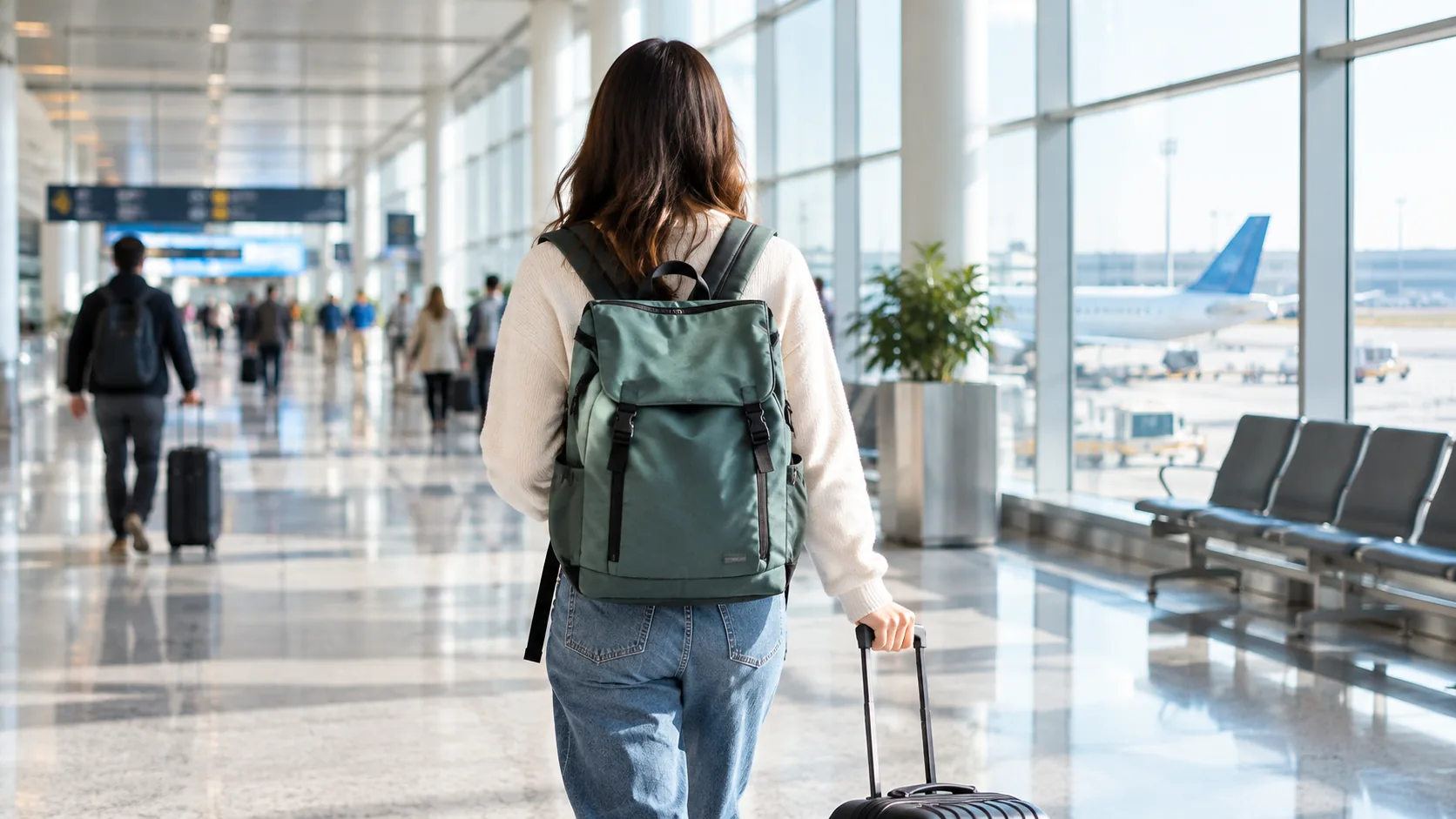
To travel with a backpack as your only bag, choose a pack that fits your airline's posted carry-on dimensions, holds about 25 to 40 liters for trips from a few days to two weeks, and opens flat like a suitcase. Then check that the harness fits your torso. Work through those four checks in order and most packs on the market narrow down quickly.
This guide is a decision checklist rather than a product list. Use it to rule packs out, then compare the few that remain.
Check the airline size limit before you travel with a backpack
Carry-on limits are set by each airline, and they differ between carriers, between fare types, and between domestic and international routes. A pack that clears one gate can be flagged at another. Look up the current rules for every airline on your itinerary, including the smaller carrier on a connecting leg.
Three things matter when you read the rules:
- Outside dimensions: measure the pack fully loaded, including pockets, straps and anything clipped on, not the number printed on a tag.
- Weight limits: some carriers cap carry-on weight, mostly on international or regional flights. A pack with a heavy frame uses part of that allowance before you add a single shirt.
- Personal item vs. carry-on: a smaller pack can often go under the seat as a personal item, which keeps the overhead bin out of the picture. A larger pack counts as your carry-on and usually goes overhead.
Soft-sided packs have an advantage here because they can squeeze into a sizer or bin a little, while a rigid suitcase cannot. Do not rely on that, though. An overstuffed pack that bulges past the stated dimensions can still be sent to the hold.
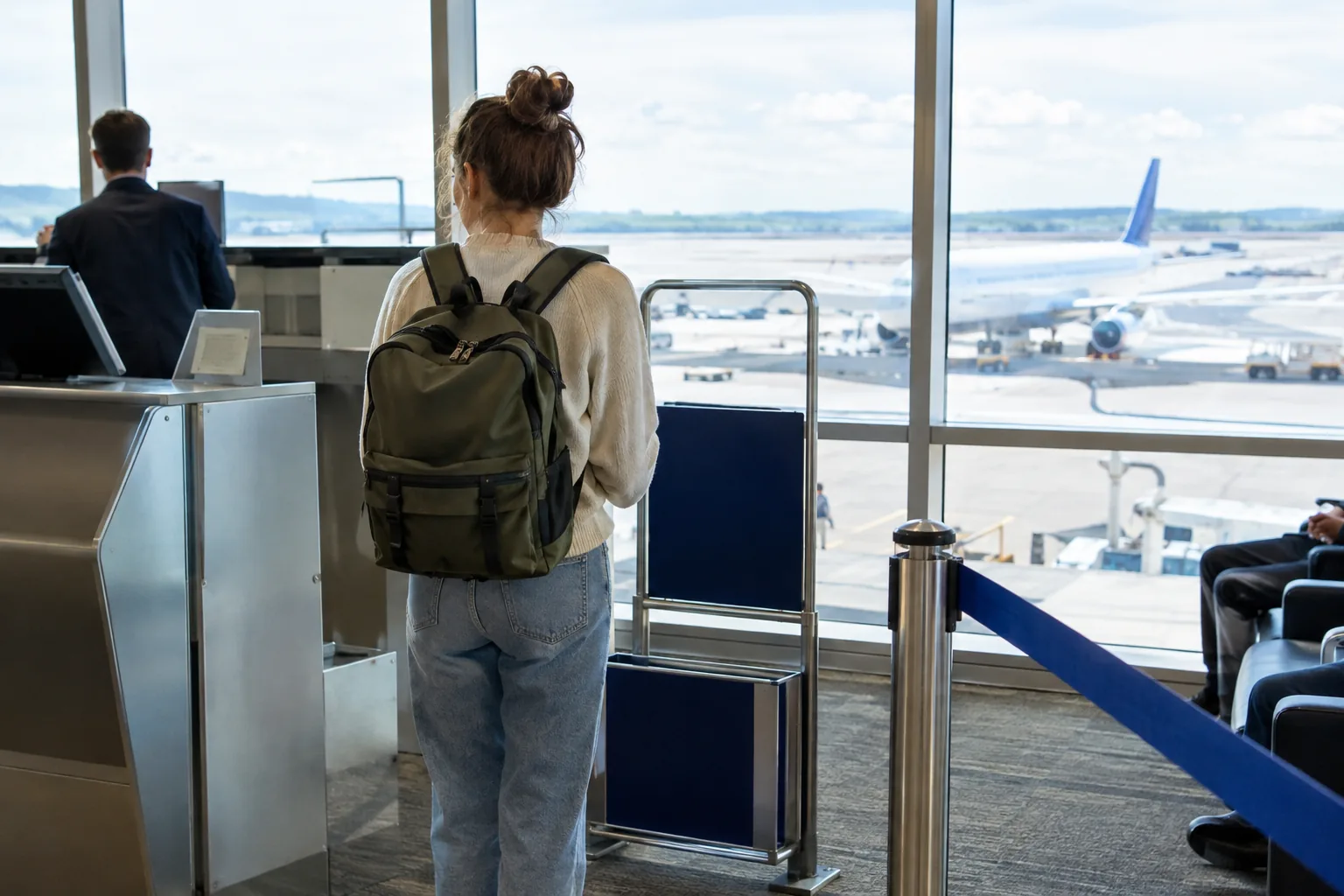
Match liters to trip length
Volume is printed in liters, and it is the simplest way to compare packs. The ranges below are rough starting points, not rules. Your clothing, climate and laundry habits move the number in either direction.
| Trip type | Starting volume | Notes |
|---|---|---|
| Overnight or weekend | 20 to 25L | Often fits under the seat as a personal item. |
| A few days to one week | 25 to 35L | Works with a small rotation of outfits and one pair of spare shoes. |
| One to two weeks | 35 to 40L | Usually the upper edge of carry-on size. Plan on laundry mid-trip. |
| Extended trips or mixed climates | 40L and larger | Often exceeds carry-on limits. Check dimensions closely or plan to check the bag. |
Bigger is not better. A 45L pack tempts you to fill it, and a full pack is harder to carry through an airport and harder to fit in a bin. If you are between two sizes, pick the smaller one and pack to it.
Cold-weather and gear-heavy trips
Bulky items such as fleece, a puffy jacket or a pair of boots take up volume fast. Wear the heaviest layers on the plane, and consider a pack with a compression feature if you cannot avoid bulk.
Choose the pack type and opening style
Shoppers use several names for similar bags, so sort the options by how they carry and open rather than by label.
Types of travel backpacks
- Carry-on travel pack: usually 30 to 40L, with a clamshell opening, a laptop sleeve and a harness that stows away. This is the core category for a trip with one bag.
- Backpacking backpack: a trail pack, often called a rucksack, built around a top-loading main compartment and a suspension for long days on foot. It can work for backpacking backpack travel with a mix of trail and city stops, but it is often awkward in airports.
- Daypack or personal-item pack: small enough for under the seat. Good as a second bag for a day out.
- Wheeled backpack: a hybrid with a handle and wheels. It rolls through terminals, but the frame and wheels add empty weight.
Opening styles
How a pack opens matters more on the road than most spec lists suggest. You will open it in hotel rooms, on hostel floors and at security lines.
- Panel-loading (clamshell): the whole front or back unzips like a suitcase. You see everything at once and can use packing cubes. It is a common layout for carry-on packs.
- Top-loading: a drawstring or lid opening, common on hiking packs. It is simple, but items at the bottom are hard to reach.
- Hybrid: a top opening plus a zipped side or front panel. It gives you quick access without a full unzip.
Look for zippers with lockable pulls if you will be moving through crowded stations. Add a laptop sleeve that is accessible without unpacking, since security checks can ask you to remove electronics.
Check construction and carry comfort
Travel packs get dragged across floors, stuffed into bins and rained on at curbsides. Look at the fabric, stitching and hardware before the color.
Materials and build
- Fabric: woven nylon and polyester are common shell materials. A water-resistant coating helps shed light rain, but it is not a substitute for a rain cover or a dry bag in a storm.
- Zippers: wide, sturdy zipper teeth and pulls you can grip with gloves matter more than extra pockets.
- Stress points: durability shows at the stitching where the shoulder straps and haul handle meet the body of the pack.
- Strap stowage: loose straps catch on conveyors, so a harness cover or tuck-away panel is useful.
Fit and carry comfort
A pack you carry for an hour between a train, a gate and a hotel should sit on your hips, not hang from your shoulders. Check these points:
- Hip belt: a padded belt moves a share of the load from your shoulders to your hips. Thin webbing belts mainly keep the pack from swinging.
- Chest strap: it holds the shoulder straps in place when you walk fast or climb stairs.
- Torso length: pack size is about the distance from your neck to your hip line, not your height. Short and long torsos both exist at every height.
- Back panel: look for padding or mesh channels that keep the load from pressing in one spot.
- Empty weight: compare it before you buy. A heavy pack leaves less room under a carry-on weight limit.
If you are shopping for a women's travel backpack, focus on fit rather than the label. Many women's-fit packs have shorter torso ranges, narrower shoulder strap spacing and hip belts shaped for wider hips. Unisex packs with adjustable harnesses can also work. Whichever you choose, load the pack with about the weight you plan to carry and walk around before you decide.
Where compression packs fit
If you tend to overpack, a pack with a built-in compression chamber lets you press the air out of soft clothing. Keep in mind that compressing clothing reduces volume, not weight, so carry-on weight limits still apply. Our two travel packs take different approaches.
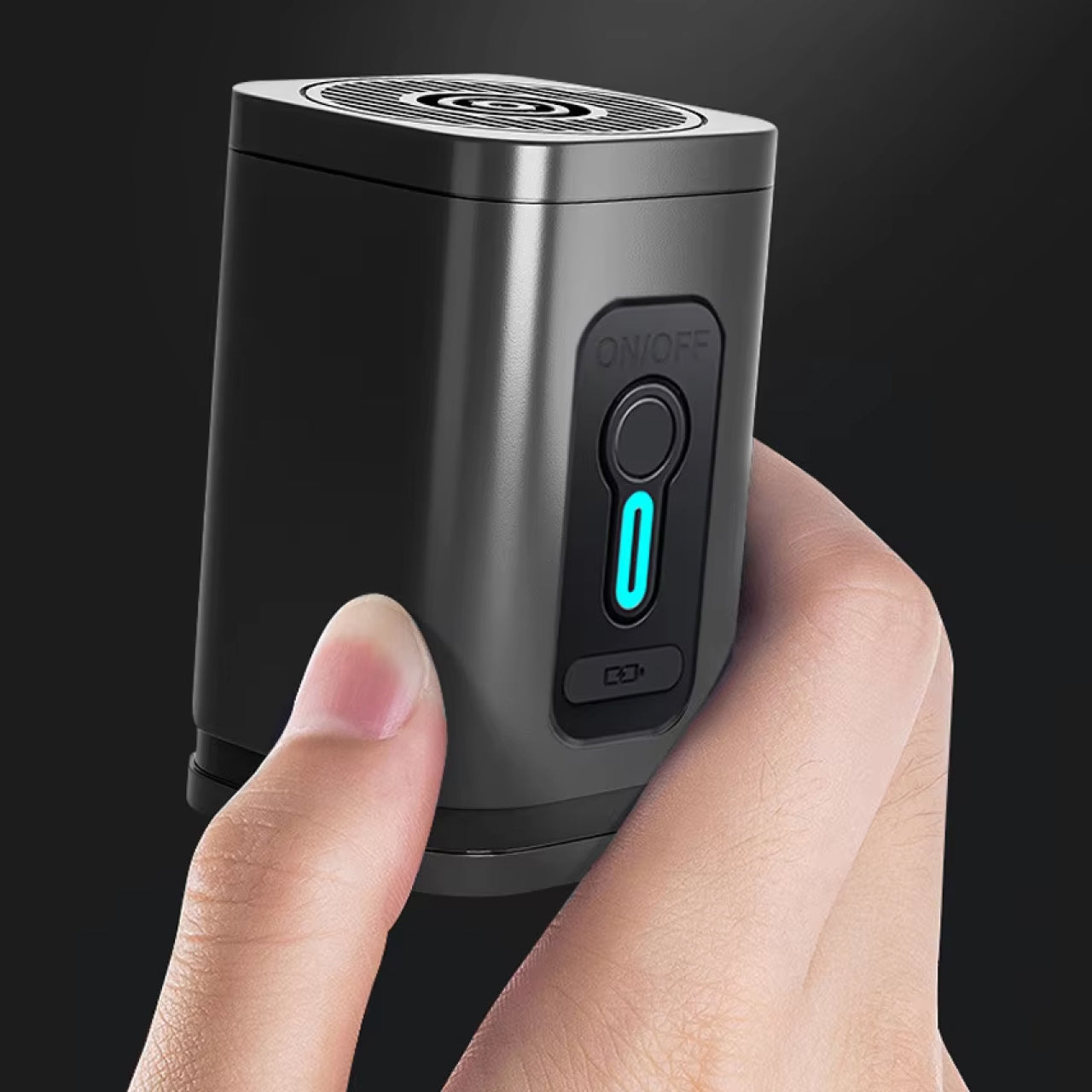
TripVault is a carry-on pack with a 35-40L shell. One side is a vacuum compartment for soft clothing such as knits, denim, fleece and t-shirts. You close the airtight zipper, clip on the valve cap and run the included USB-C rechargeable pocket pump until the compartment is compressed. The other side is a conventional compartment for electronics, dress shirts and toiletries, plus a padded sleeve sized for a 17-inch laptop, a 3-digit combination lock and a wet/dry zip pouch for swimwear or damp shoes.
 In this guideTripVault$199.99View
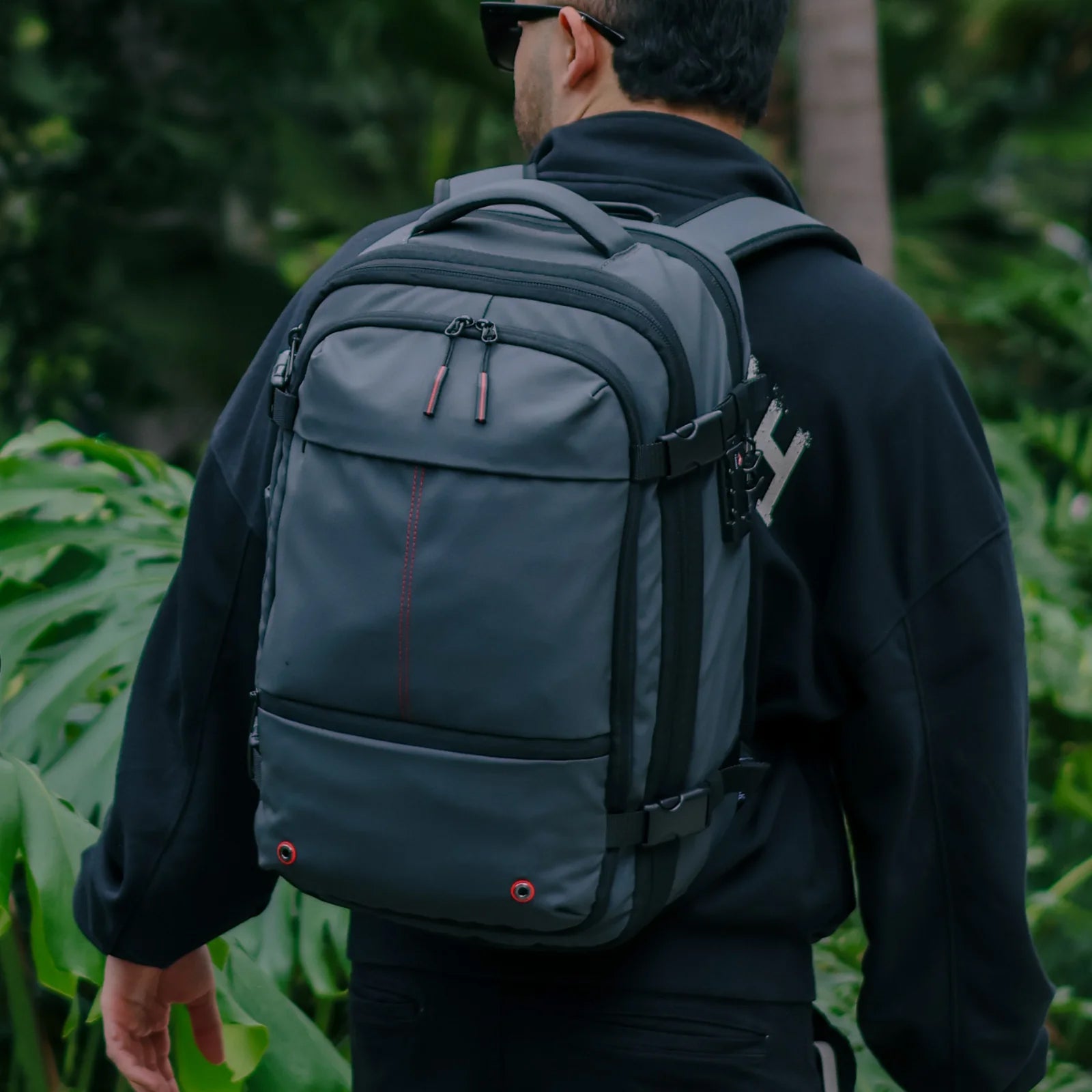
VoyaVac suits a trip where the load changes. It expands from 25L to 60L, so you can carry it smaller on the way out and larger on the way home. Folded or rolled clothing goes into a sealed compression chamber, and the included manual pump removes the air through a one-way valve. It has a padded hip belt and chest strap, a water-resistant shell, lockable zippers, a hidden rear pocket for a passport and separate pockets for tech and wet items. Empty weight is near 1.5 kg (about 3.3 lb). When you expand it to the larger setting, check the dimensions against your airline's limits.
 In this guideVoyaVac$199.99View
Field note
Do a dress rehearsal at home. Pack the bag fully, add the toiletries you will carry, shoulder it, and walk around for a while. If something digs in or the pack swings, fix the fit or remove weight before travel day.
Pack-day checklist for a backpack trip
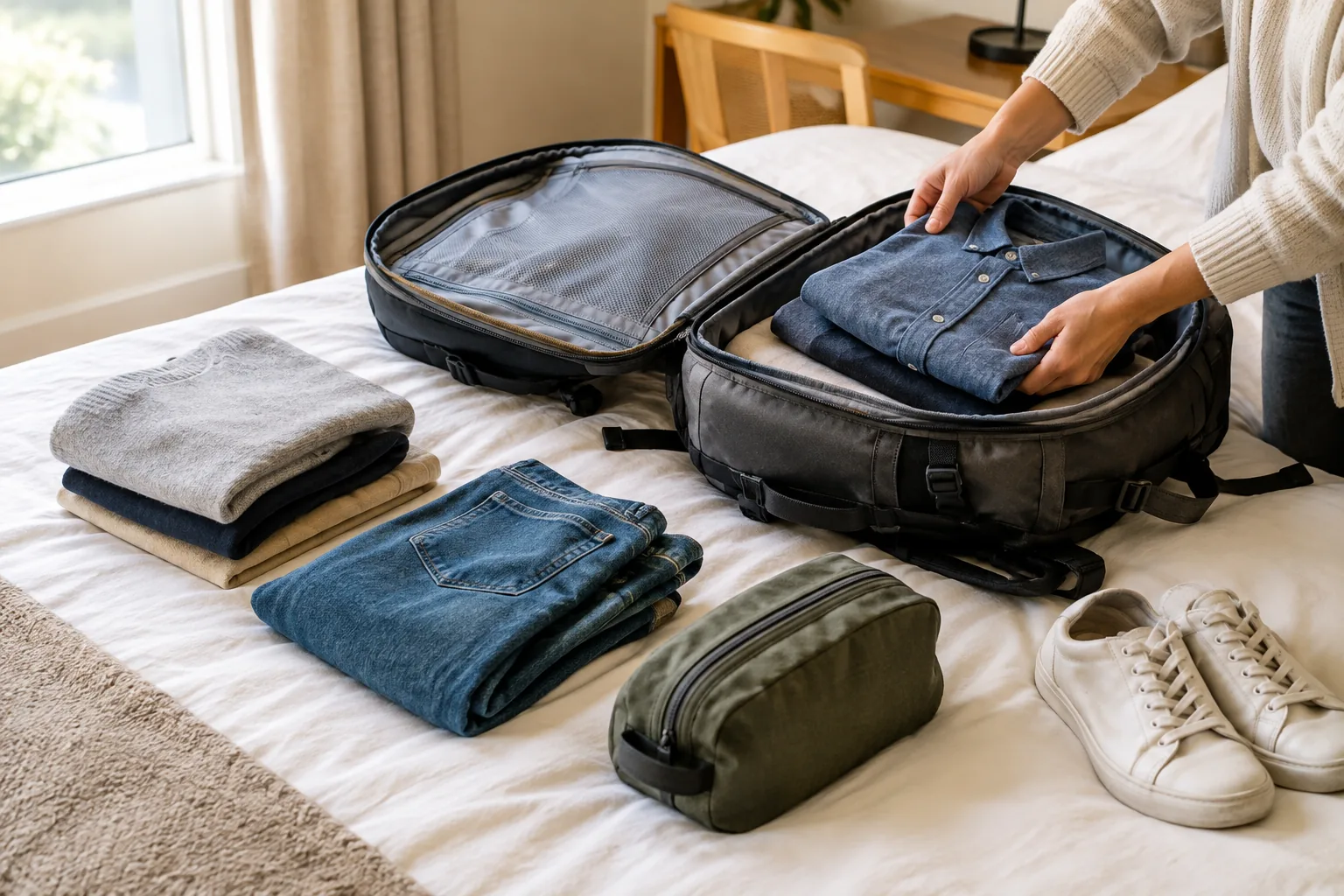
Once you have the pack, the way you load it affects how it carries and how it clears the airport. For clothing, fold or roll each piece, then group by type.
- Heavy items close to your back: put shoes, a laptop and dense items against the back panel and near the center of the pack.
- Soft items on the outside: clothing makes a cushion between hard objects and the outer shell.
- Separate wet and dry: use a dedicated pouch or pocket for swimwear, towels and shoes.
- Documents on your body side: a hidden back-panel pocket is a good spot for a passport and cards.
- Liquids together: group toiletries in one clear pouch near the top or in an outer pocket for the security line.
- Leave empty space: a pack stuffed to its limit is harder to close and harder to carry, and it may draw questions at the gate.
Common mistakes and a final decision list
Mistakes to avoid
- Buying a hiking pack for city travel: a backpacking pack, with a top-loading main compartment and dangling straps, can be awkward at the airport. Straps can snag on conveyors, and a deep top-loader is slow to unpack. If you need a trail-style pack, choose one with a full-panel opening and strap stowage.
- Ignoring the empty weight: it counts against any carrier weight limit.
- Skipping the fit check: a pack that looks right but sits wrong on your torso will wear on you by the end of the day.
- Relying on a liter number alone: two 40L packs can have very different shapes. Check the actual dimensions.
- Packing the pockets last: overstuffed outer pockets add bulk and can push the pack past the size limit.
Quick decision guide
Run each candidate through this list. A great travel backpack should pass every line, whether the trip is a long weekend or a month on the road.
- Fully loaded dimensions are within your airline's posted carry-on or personal item size.
- Volume matches your trip length with room left over.
- It opens in a way you will use, ideally flat.
- The hip belt, chest strap and torso range suit your body.
- It has a protected laptop sleeve, separate wet storage and a spot for your documents.
- The empty weight leaves room under any weight limit.
For more gear to pair with your pack, browse the Travel Bags & Trail Tools collection. Always confirm current carry-on rules with your airline before you fly.