Snorkeling and Diving: Gear and Skills Compared
Start with snorkeling if you want to float at the surface with a mask, snorkel and fins. Choose scuba if you want to go below the surface and will take a course first.
The Kesslund Team
November 1, 2026 · 7 min read
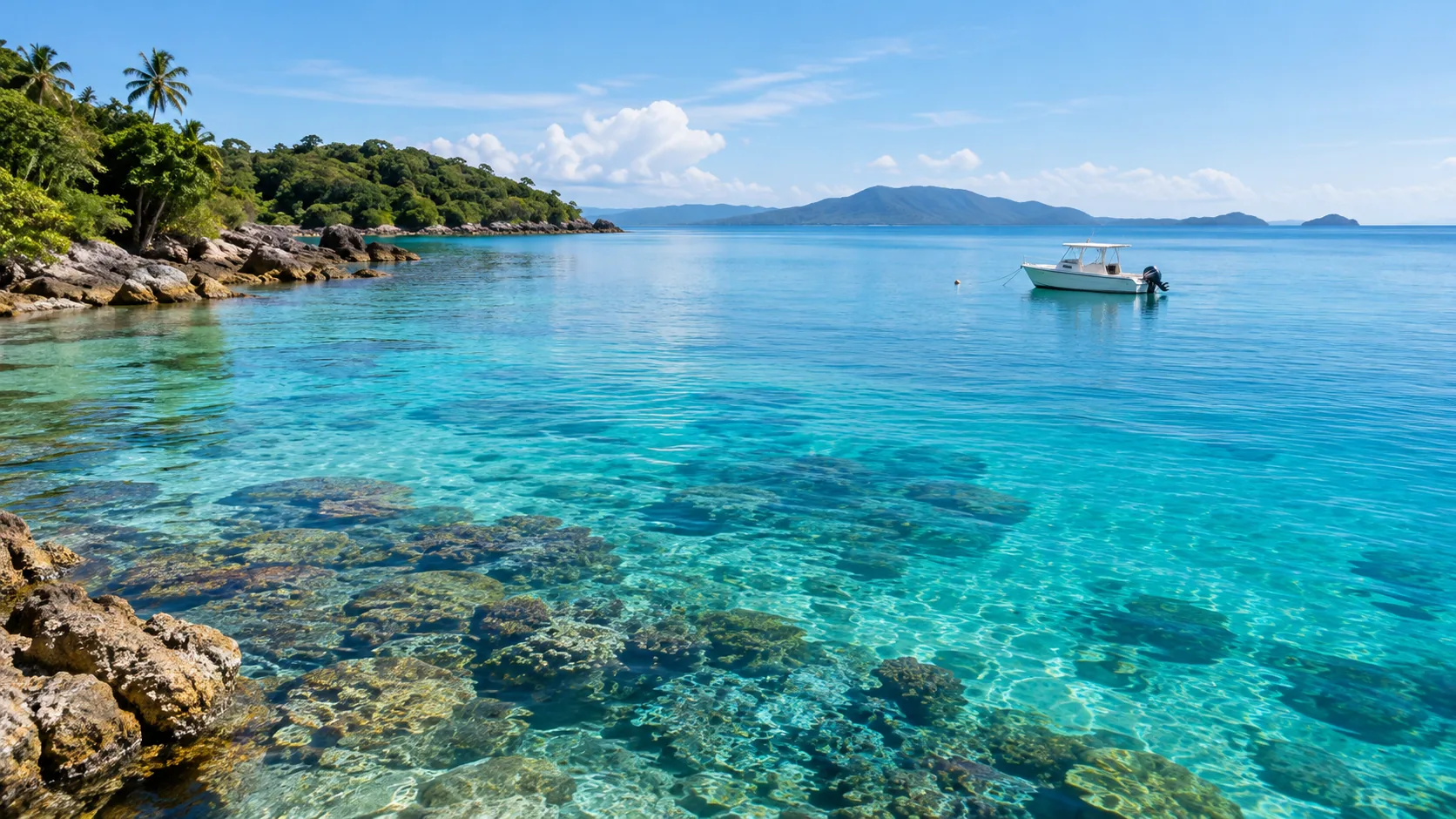
Snorkeling and diving both put you in the water to look at reefs and marine life, but they ask for different gear and training. Snorkeling keeps you at the surface with a mask, a snorkel and fins, and you can start on a shoreline trip. Scuba diving takes you below the surface with a tank and regulator, so you learn the skills in a course with an instructor first.
This guide compares the two on gear, training, depth, cost and trip style, then gives you steps to decide where to begin.
Snorkeling and diving side by side
The table below covers the points that decide which activity fits a first trip. Costs are described in relative terms because rental rates and course fees vary by region and operator.
| Point | Snorkeling | Scuba diving |
|---|---|---|
| Where you are | On or near the surface, face down | Below the surface, moving through the water column |
| Core gear | Mask, snorkel, fins | Mask, fins, tank, regulator, buoyancy vest, exposure suit |
| Training | Fit check and a short briefing on clearing the tube | A course with an instructor, pool practice, then open-water dives |
| Swimming ability | Comfortable in water; a flotation vest is an option | Comfortable swimming is part of the course |
| Typical sights | Shallow reefs, turtles, tropical fish near the surface | Deeper reefs, wrecks, walls, larger marine life |
| Cost items | Own or rent a mask set; boat or beach access | Course fees, gear rental or purchase, tank fills, boat trips |
| Planning | Check conditions and go | Dive plan, buddy, gas supply, time limits |
| Good for | Families, first-time visitors, travelers with a free afternoon | Divers who want wrecks, deeper reefs and longer time below |
Neither activity ranks above the other. They suit different goals, and some divers keep a snorkel set in the bag for surface days.
What snorkeling asks of you
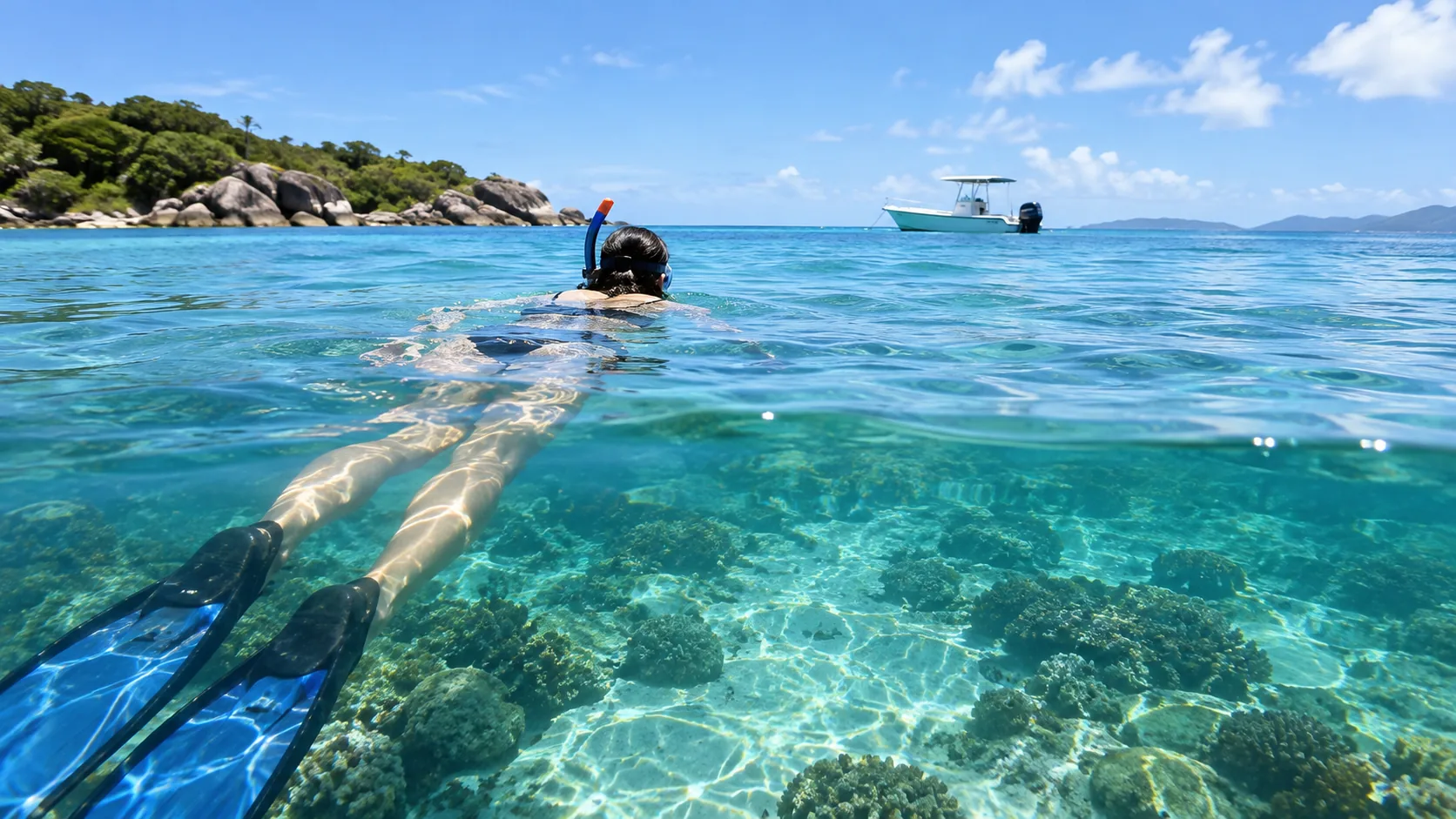
Snorkeling is built around three pieces of gear and one habit: breathing calmly through a tube while you float. You can watch fish, sea turtles and reef structure in clear water without learning to manage a tank.
Mask, snorkel and fins
A mask needs a fit that holds against your face, a tempered glass lens and a soft silicone skirt. The snorkel should have a mouthpiece you can hold without clenching. Fins move you through the water with your legs, so you can follow a shoreline with a slow, steady kick while your arms stay relaxed at your sides.
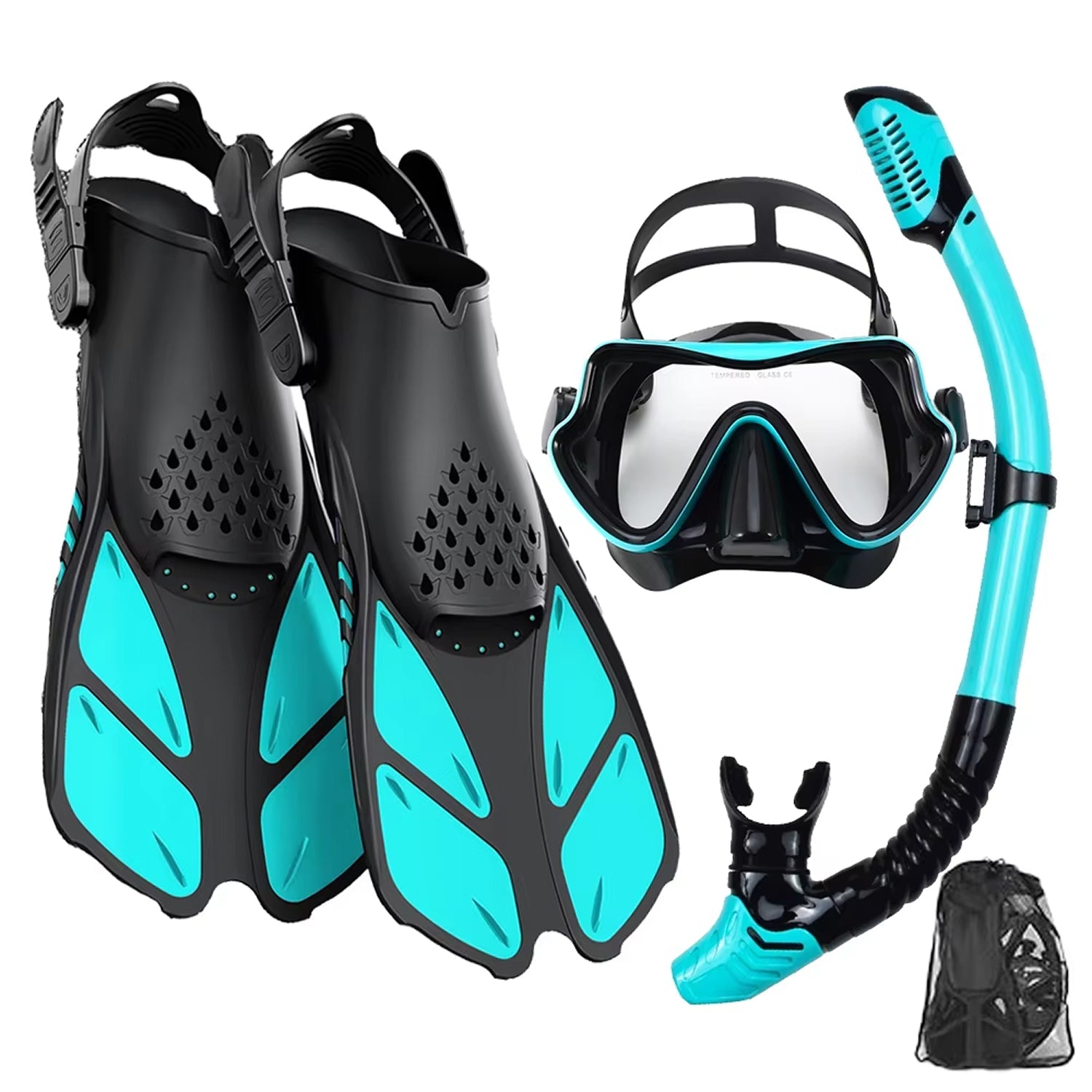
The ReefCrest snorkel set packs these pieces together. It has a tempered glass mask with a low-volume design and a soft silicone skirt, a dry-top snorkel tube with a float valve that closes when the tube goes under, and a purge valve at the bottom to blow out water. Adjustable fins and a travel bag come in the box.
 In this guideReefCrest$129.99View
Skills to practice before the beach
- Adjust the mask strap at home, then check the seal in shallow water.
- Practice breathing through the tube with your face in the water.
- Practice a sharp exhale to clear water from the tube.
- Kick slowly from the hips so your fins stay under the surface.
What scuba diving requires
Diving requires a scuba course before you go below the surface with a tank. A course combines classroom or online study, practice in a pool, and open-water dives with an instructor. You learn to equalize, manage your air supply, control buoyancy and stay with a buddy.
The gear list is longer: mask, fins, exposure suit, buoyancy vest, regulator, tank and gauges. Some new divers rent the larger items and buy a mask and fins that fit well. Follow your instructor and each manual for assembly and checks, and do not dive alone.
Depth and time
Snorkelers stay at the surface and can dip down briefly. Scuba divers plan depth and time in advance because the gas supply and body limits set how long a dive can run. That planning is why wrecks, walls and deeper reefs sit in the diving column of the table.
Ask a physician about any health condition before a course, including questions about breathing and the ears. A dive operator will have you fill out a health form.
Choosing which to start with
Work through these steps in order.
- Decide what you want to see. Shallow reefs, turtles and fish near the surface suit snorkeling. Wrecks and deeper reefs suit scuba.
- Check your time. A snorkel trip fits into an afternoon. A course needs several sessions.
- Check your comfort in water. If you are unsure, practice in a pool, wear a flotation vest and stay with a guide or buddy. Non-swimmers should get in-water supervision and do not go out alone.
- Look at who is coming. Families with children can start at the surface, with adults watching and a guide where possible.
- Add up cost items from the table, including rental, boat access and course fees, and compare them to your budget.
If the answer is still unclear, start with snorkeling. Mask clearing, fin use and water comfort are skills a scuba course also covers, so the practice carries over. Which one suits you depends on your goals.
Field note
Check the mask fit on dry land first. Hold the mask to your face without the strap and inhale gently through your nose; if the mask stays in place, the skirt is sealing. Then set the strap and try the mask in shallow water while you breathe through the snorkel.
Masks and fins for surface and breath-hold sessions
If you outgrow a basic set, a separate mask and a pair of packable fins are the two items to look at. Both products below are described for surface snorkeling, freediving or pool and lake use, not for scuba.
A low-volume mask
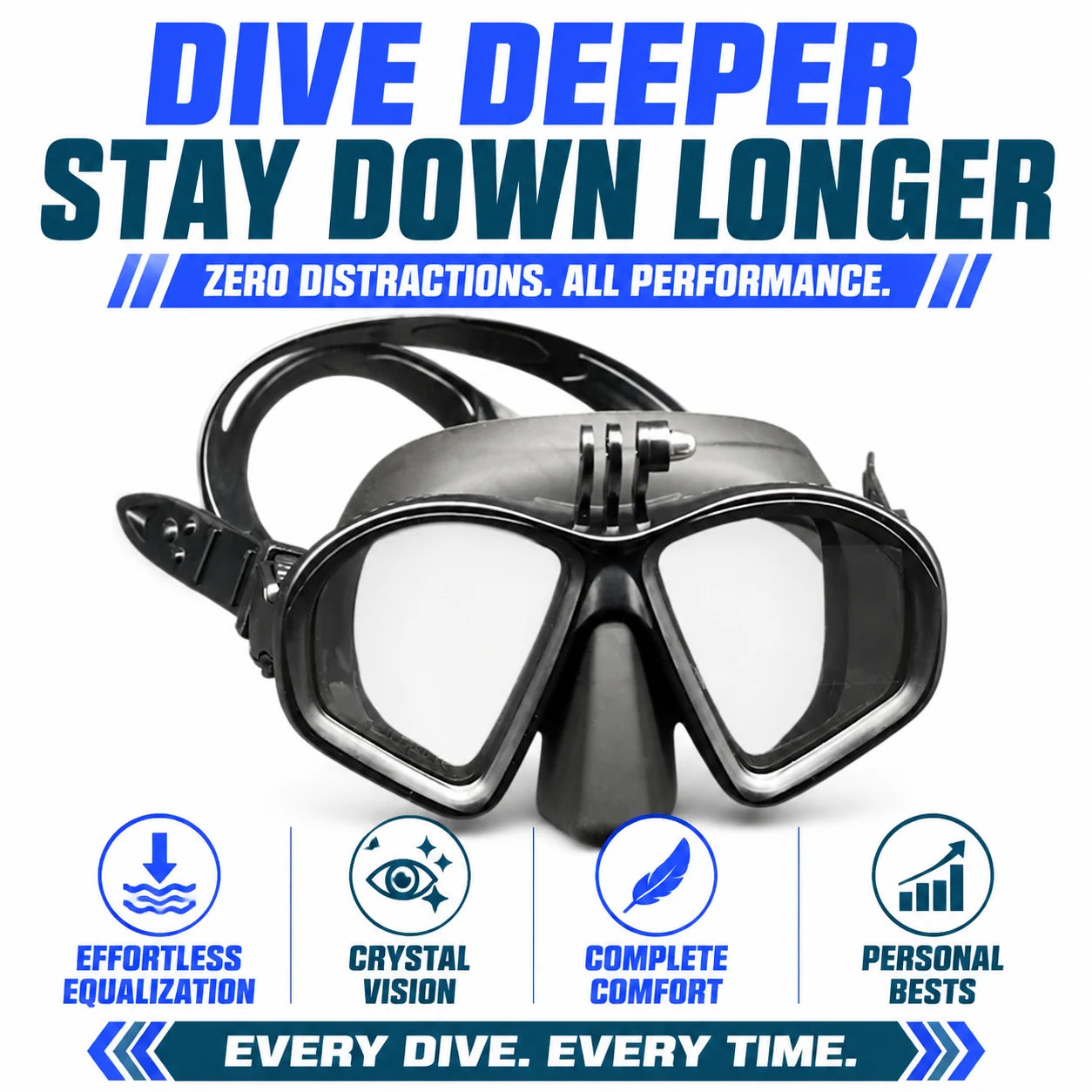
The MeriDive Pro is a low volume freediving mask with about 83cc (about 5 cubic inches) of internal air space. It has a tempered glass lens with a pre-applied anti-fog film and a liquid silicone skirt with adjustable straps. A J-type snorkel is included for breathing at the surface.
A bracket for action cameras is molded into the frame, so you can record first-person footage with your hands free. For framing ideas, see Types of Camera Shots, which covers how to film them with an action camera. Rinse the mask in fresh water after each session and handle the lens with care when packing.
 In this guideMeriDive Pro$119.99View
Fins you can pack
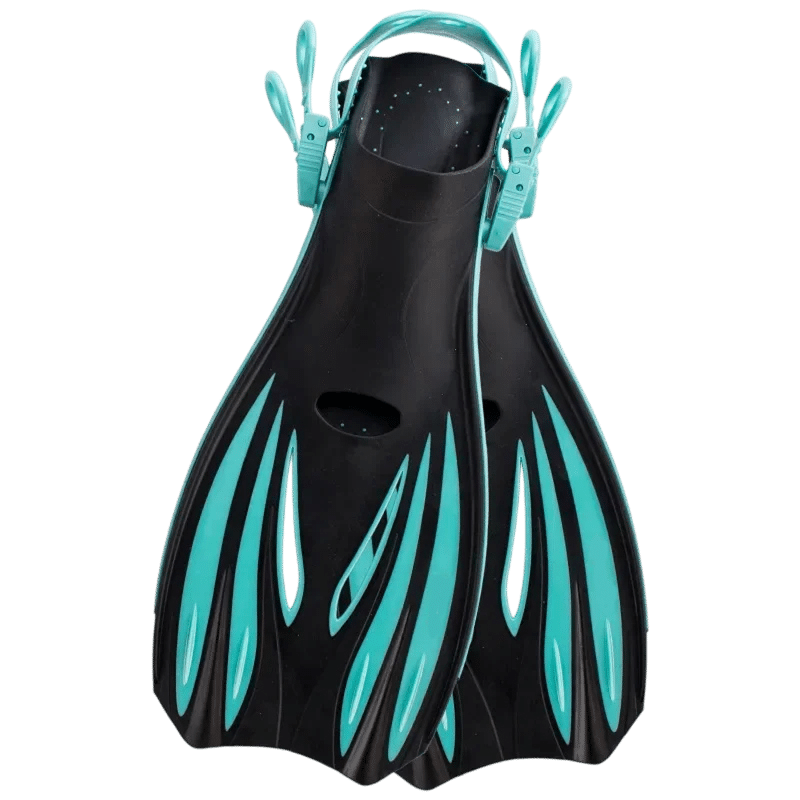
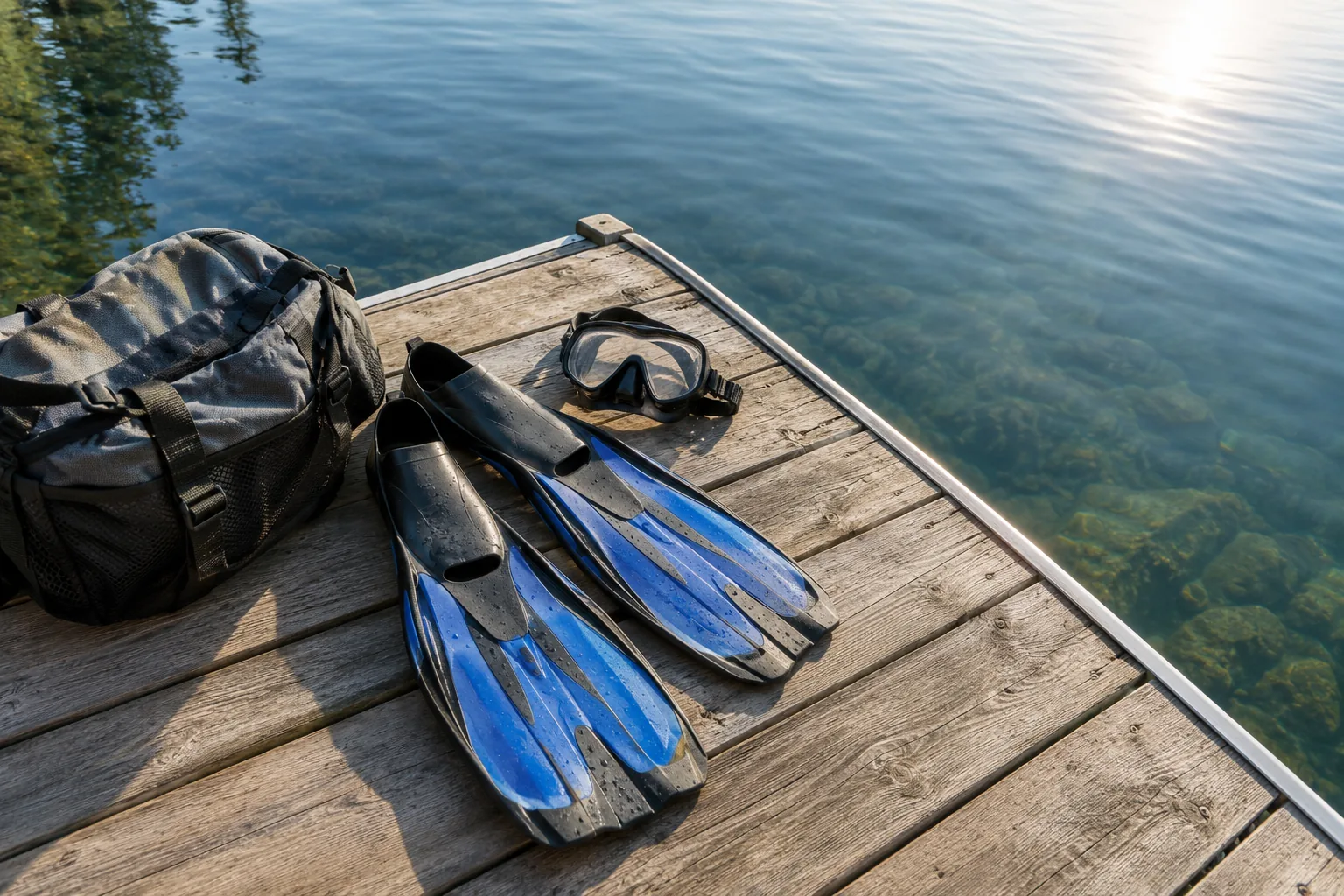
The TidalFin swim fins have a frog-palm blade, reinforced TPR and PP construction and adjustable quick-release buckles. They fold down for a gear bag or carry-on, and the textured non-slip sole gives tread on wet decks and rocky shorelines. They are listed for pool training, lake swims and snorkeling. For kick technique and sizing, see Fin Swimming: How to Choose and Train With Swim Fins.
 In this guideTidalFin$118.99View
Pre-trip checklist and common mistakes
| Step | Check |
|---|---|
| Fit | Mask strap set, fin buckles or heel clips adjusted before entering |
| Snorkel | Mouthpiece sits naturally; purge or clearing method understood |
| Conditions | Calm water, clear view, no strong current; ask a local operator |
| Buddy | Someone knows your plan and watches you |
| After | Rinse gear in fresh water, dry it, pack the mask lens carefully |
Mistakes to avoid
- Buying a mask without checking the fit against your face.
- Tightening the strap too far; the skirt should rest on the face, not be forced on.
- Entering the water in strong current or surf without a guide.
- Skipping the fresh-water rinse after a saltwater outing.
- Using snorkeling as a replacement for a scuba course. Tanks and regulators need training.
Browse the Diving & Snorkeling collection for more masks, fins and sets. If you plan diving and snorkeling on the same trip, pack the gear for the surface days first and add rental scuba gear once your course is booked.
Matching the activity to your trip
Pick snorkeling when you travel with family, have a free afternoon or want to see reef life from a beach. Pick scuba when you plan ahead, will take a course and want to reach wrecks and deeper sites.
Either way, start in calm, clear water, bring a buddy and follow each manual and guide. Snorkeling and diving share the same base skills: relaxed breathing, steady kicking and awareness of the water around you.