What Is Brisk Walking? Pace, Cadence and How to Find Yours
Brisk walking is a purposeful pace, roughly 3 to 4 mph (4.8 to 6.4 km/h), where you breathe deeper but can still talk. Here is how to measure yours.
The Kesslund Team
November 6, 2026 · 6 min read
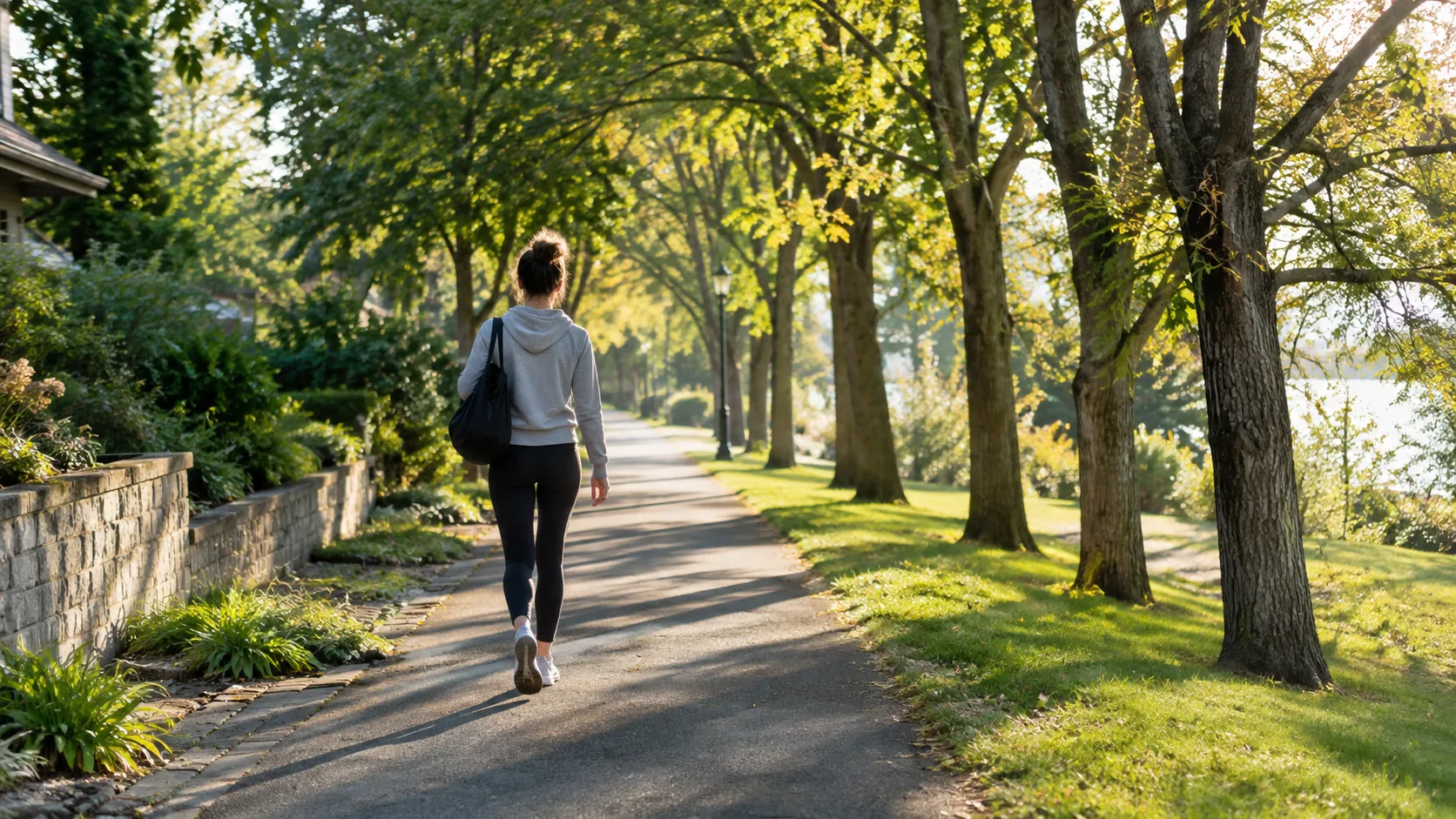
What is brisk walking? It is walking at a purposeful, steady pace: roughly 3 to 4 mph (4.8 to 6.4 km/h) for many adults, with a stride clearly above a stroll. Your breathing deepens, but you can still speak in full sentences.
Height, leg length and fitness differ, so no single number fits everyone. This guide gives you three measures to find your own brisk pace: cadence, the talk test and a set speed on a walking pad.
What is brisk walking, at a glance
Think of brisk walking as the space between a relaxed stroll and a jog. One foot is always on the ground, your arms swing, and your steps are short and rhythmic rather than long and reaching.
- Speed: about 3 to 4 mph (4.8 to 6.4 km/h)
- Cadence: a working range of 100 to 130 steps per minute, which you adjust to your own stride
- Breathing: deeper than usual, but you can talk
- Form: upright posture, relaxed shoulders, bent arms swinging
Brisk walking speed in mph and km/h
Speed is the direct measure if you have a measured route or a smartphone with a GPS map. Divide the distance by the time, then compare the result with the table below.
Use the range as a starting point. A taller walker covers more ground per step, so the same effort can show up as a different speed. Effort and rhythm matter as much as the number.
| Pace | mph | km/h | What it feels like to do |
|---|---|---|---|
| Stroll | 2 to 2.5 | 3.2 to 4.0 | Relaxed, you can sing |
| Steady walk | 2.5 to 3 | 4.0 to 4.8 | Normal errand pace |
| Brisk walk | 3 to 4 | 4.8 to 6.4 | Deeper breathing, full sentences |
| Race walk or jog | 4 and up | 6.4 and up | Short phrases only |
Steps per minute: your cadence
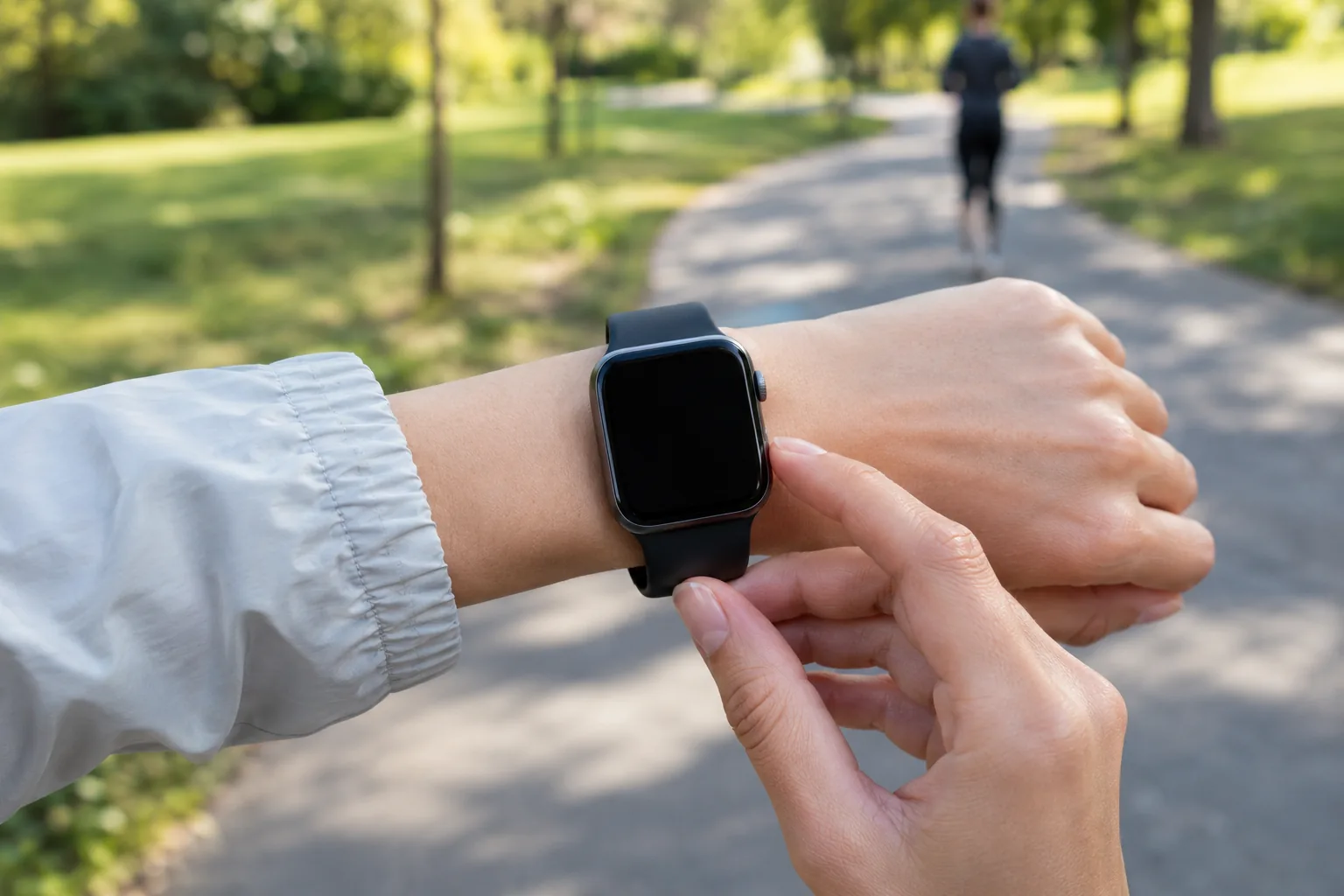
Cadence is the number of steps you take in one minute. A step counter or watch can show it while you move, with no route needed.
Start with a range of 100 to 130 steps per minute. Walk for one minute at a purposeful pace and count each time your right foot lands, then double it. Repeat a couple of times and use the average.
How many steps are in a ten minute brisk walk?
At 100 to 130 steps per minute, ten minutes of brisk walking comes to about 1,000 to 1,300 steps. Your own count may sit outside that range. Measure your cadence once, then multiply it by the minutes you walk.
| Cadence (steps per minute) | 5 minutes | Ten minutes | 30 minutes |
|---|---|---|---|
| 100 | 500 | 1,000 | 3,000 |
| 115 | 575 | 1,150 | 3,450 |
| 130 | 650 | 1,300 | 3,900 |
The talk test and effort check
The talk test needs no gadget. At a brisk pace you can hold a conversation but would struggle to sing. If you can sing, raise your pace a little. If you can only say a few words at a time, ease off.
You can also use an effort scale from 1 to 10. A stroll is a 2 or 3, and brisk walking sits around 5 or 6: warm, breathing deeper, still in control.
Form checklist
- Stand tall with your eyes on the path ahead, not your feet.
- Bend your elbows and swing your arms front to back.
- Take shorter, more frequent steps instead of reaching with your stride.
- Land on your heel and roll through to your toes.
- Run the talk test after the first few minutes.
Brisk walking vs running and normal walking
The clearest difference between brisk walking and running is the flight phase. When you run, both feet leave the ground for a moment with each stride. When you walk briskly, one foot stays in contact at all times.
Compared with normal walking, brisk walking has a higher cadence, a firmer arm swing and deeper breathing. Your route and your gear stay the same.
| Feature | Normal walking | Brisk walking | Running |
|---|---|---|---|
| Feet off the ground | No | No | Yes, between strides |
| Typical cadence | Below 100 | 100 to 130 | Above the brisk range |
| Talk test | Can sing | Full sentences | Short phrases |
| Arm swing | Loose | Bent, active | Bent, driving |
If you have a health condition or are returning to activity, check with a healthcare provider before changing how hard you exercise.
Setting a brisk pace on a walking pad
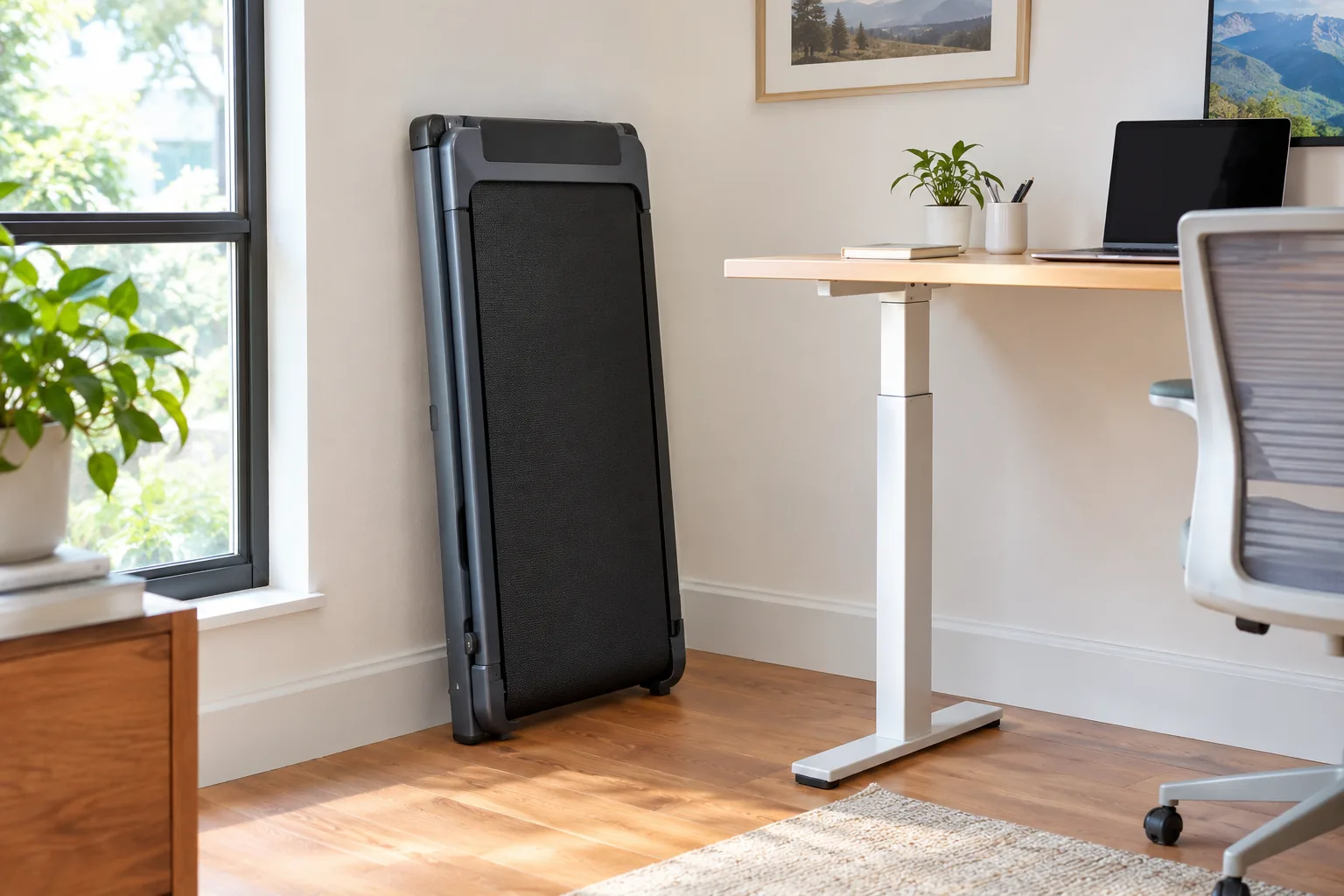
Indoors, a walking pad holds the speed you set, so your pace is easy to read from the display. Start from the brisk range in the table above and adjust until the talk test fits.
| Pad setting (mph) | Pad setting (km/h) | Check |
|---|---|---|
| 2.5 | 4.0 | Steady walk; you can still sing |
| 3.0 | 4.8 | Low end of brisk; full sentences |
| 3.5 | 5.6 | Middle of brisk; breathing deeper |
| 4.0 | 6.4 | Top of brisk; speaking in shorter sentences |
Settings are only a starting point, because stride length changes how a given speed feels. Count your steps for one minute at each setting and note which one lands in your cadence range. Hold the handrail only if the manual says to, and follow the manual for starting and stopping the belt.
For a full comparison of space and speed, read Walking Pad vs Treadmill: Space, Speed and Use Compared.
Field note
Start a pad session at an easy pace, then raise the speed in small steps until you can talk but not sing.
Shoes and setup for a brisk walk
A higher cadence means more foot strikes per minute, so your shoes matter. Look for a roomy toe area, a lightweight build and a sole that rolls from heel to toe.
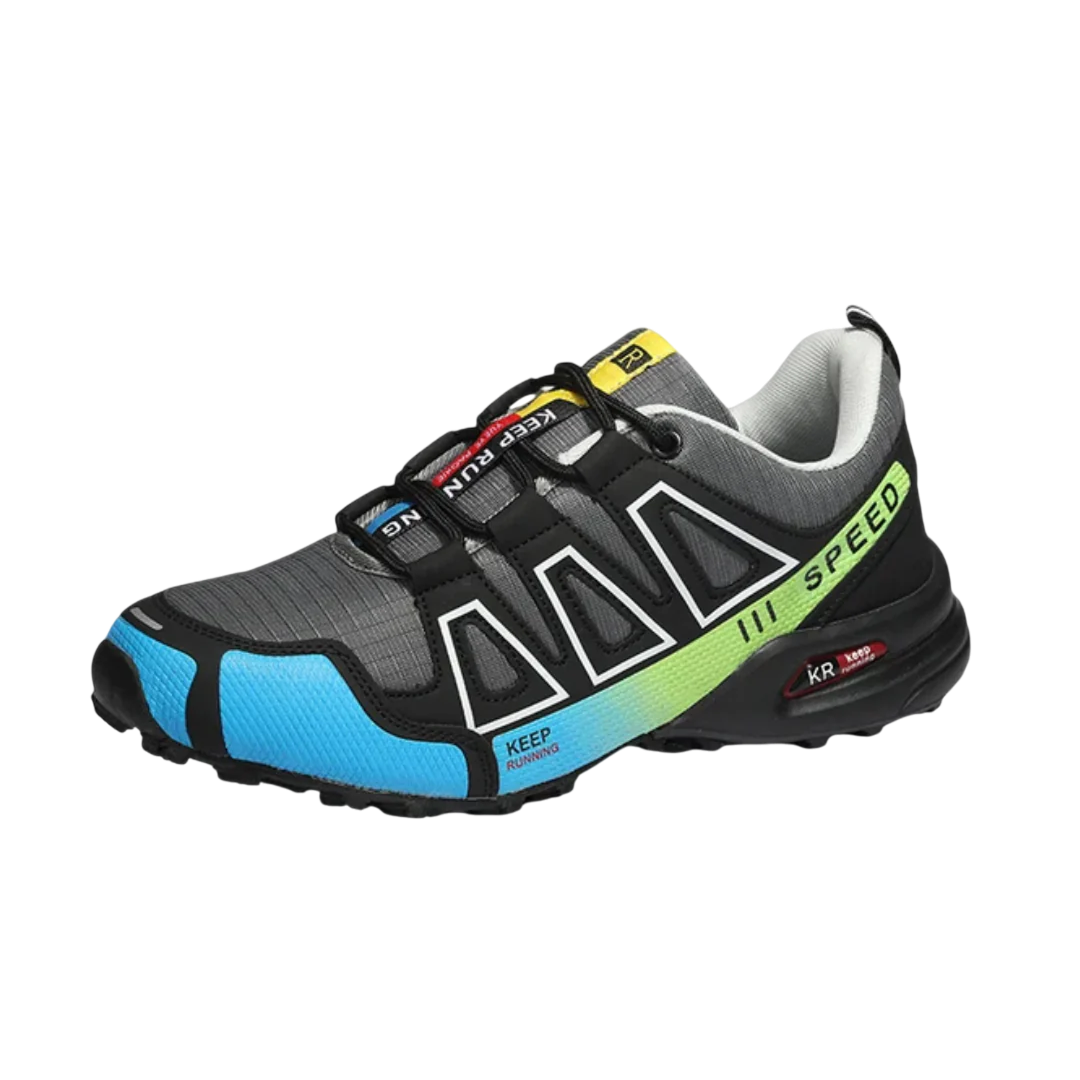
GaitCloud Walking Shoes are women's walking shoes with segmented cushioning zones under the heel and forefoot, a wide toe box and a curved sole for heel-to-toe rolling. A wide-fit sizing guide comes in the box to help you choose a size. For more on fit, see Comfortable Shoes for Walking for Women: A Fit Checklist.
 In this guideGaitCloud$139.99View
Common mistakes and a simple routine
- Overstriding: reaching your foot far ahead breaks your rhythm. Shorten the step and increase the count.
- Looking down: keep your gaze ahead so your posture stays upright.
- Clenched arms: keep shoulders relaxed and swing from the shoulder.
- Chasing one number: cadence, speed and the talk test should roughly agree. If they do not, go with the talk test.
- Skipping a warm-up: begin with a few minutes at an easy pace.
To build a routine, pick a fixed route or a fixed pad setting, walk at your brisk pace for a set time and note your step count. Repeat the same walk each week and watch how your cadence settles. Equipment for home sessions is in the Home & Trail Fitness collection.