Backpack Hunting: Choosing a Pack for Multi-Day Hunts
Backpack hunting needs a pack that carries camp gear in and a heavy load of meat out. Here is how to size one, what features matter and how to load it.
The Kesslund Team
October 18, 2026 · 8 min read · Updated October 28, 2026
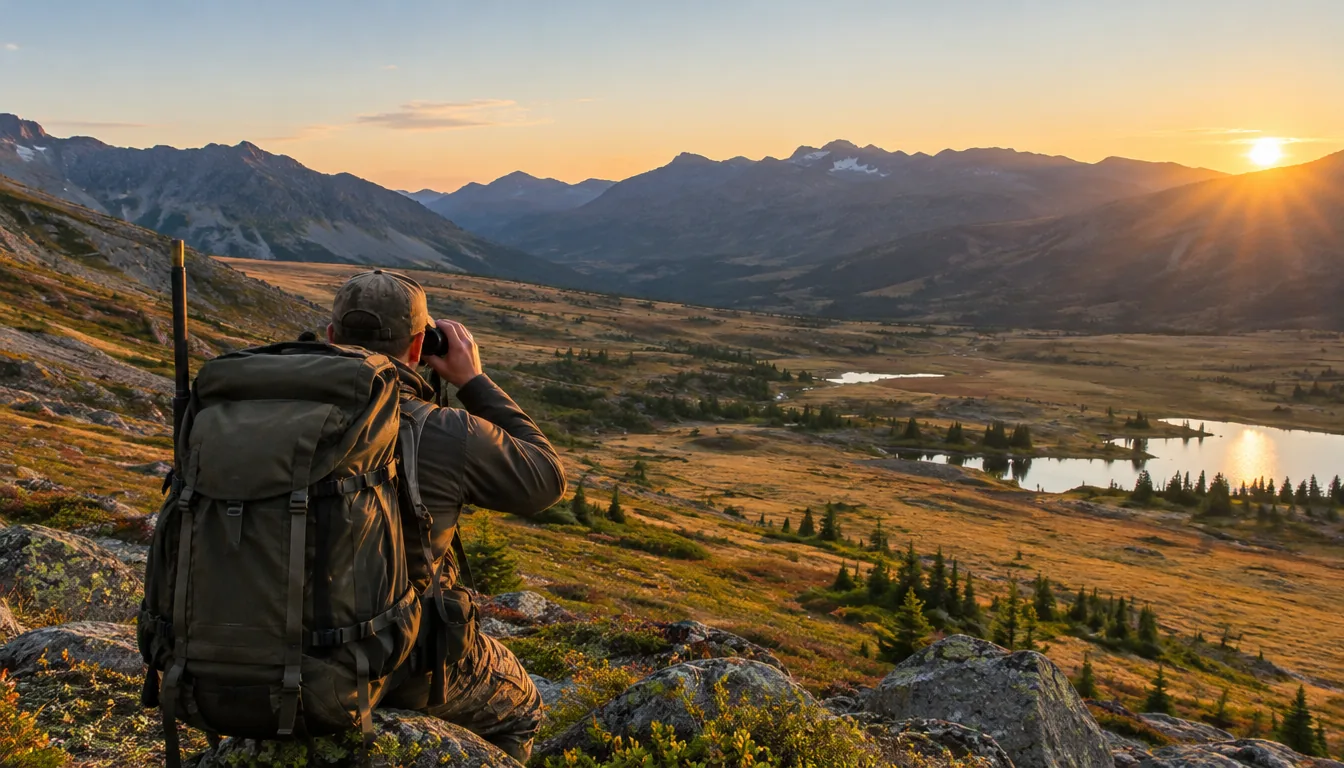
Backpack hunting means hiking into the backcountry with everything you need on your back, then hauling out gear and game the same way. A pack for it needs enough volume for multi-day gear, a suspension that carries weight on your hips, and room to load meat on the return trip. A regular backpacking pack can handle the trip in, but check how it will handle the trip out.
This guide covers how hunting packs differ from backpacking packs, how to size one, which features matter, and a loading checklist for a multi-day hunt.
How a hunting pack differs from a backpacking pack
Both carry a sleeping bag, shelter and food. The difference shows up on day three, when you are carrying a meat load on top of the gear you started with. Hunting packs are designed around that second job.
| Feature | Backpacking pack | Hunting pack |
|---|---|---|
| Main job | Carry a steady camp load on trails | Carry camp gear in, then gear plus game out |
| Meat space | Not a standard feature | A shelf, bay or open volume for bagged meat |
| Frame and suspension | Sized for trip weight | Sized for the heaviest haul you expect |
| Outside attachment | Trekking poles, sleeping pad | Optics, calls, rangefinder, rifle or bow carry |
| Fabric | Light, trail-oriented | Woven fabric for brush, rock and mud |
| Noise | Less of a concern | Buckles, zippers and fabric matter when stalking |
Noise and movement
Noise is easy to overlook. Check zipper pulls, buckle clicks and how the fabric brushes against branches, because game hears what you carry. Before a trip, walk through brush with the loaded pack and listen for anything that ticks, rattles or scrapes.
Carrying a rifle or bow
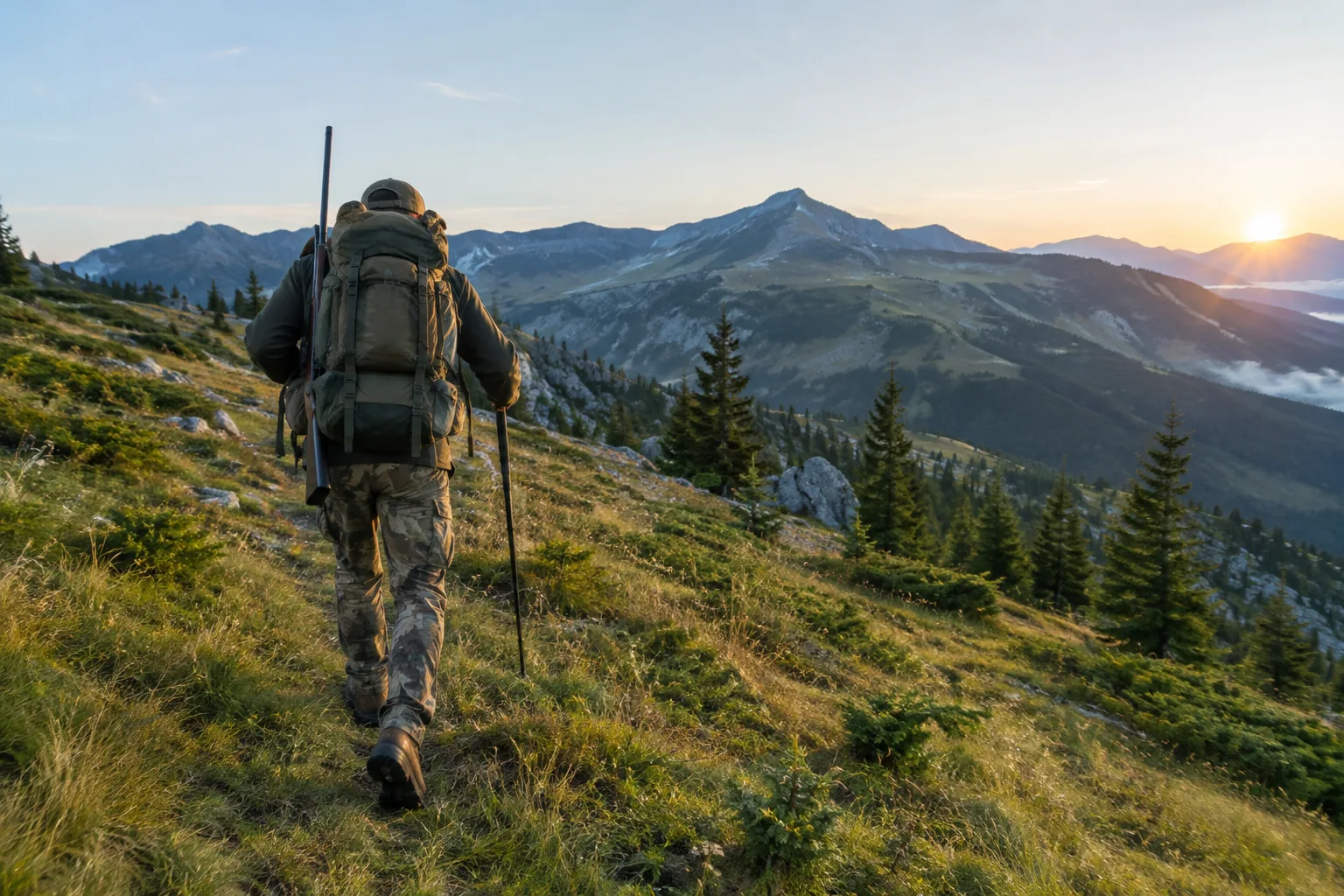
Some hunting packs have a dedicated holder for a rifle or bow, and some rely on straps or webbing. Look at how the weapon sits while you hike and while you glass, and follow the firearm or bow maker's manual and local rules for transport. If the pack has no holder, plan another way to carry it before you commit to a route.
Size the pack to the length of the hunt
Volume is only the starting point. Match it to the number of nights, the season and how far you are from the truck.
| Trip type | What to plan for |
|---|---|
| Overnight | A compact shelter and sleeping bag, minimal food, one set of spare layers |
| Multi-day hunt | A large main compartment plus pockets, so layers, food, optics and calls each have a place |
| Cold-weather hunt | Insulation and extra layers take up volume quickly |
| Far from the truck | Space reserved for meat bags, and a suspension sized for a heavy pack |
Pack volume is listed in liters or cubic inches. As a conversion, 80L is about 4,900 cubic inches. Add up your gear before you shop, then compare the total to the listed volume.
Torso length decides the fit
A pack carries weight on your hips only when the torso length fits. Measure from the bone at the base of your neck to the top of your hip bones, then compare that to the maker's sizing chart. A waist belt that sits on your hips and padded shoulder straps that contact your shoulders without gaps are the signs of a good fit.
Choosing in four steps
- List every item you will carry for the longest trip you plan.
- Pick a volume that holds that list with space left for meat bags.
- Measure your torso length and match it to the sizing chart.
- Load the pack with weight at home and walk with it before you buy or commit to it.
Frame, suspension and the meat haul
The suspension system is the frame, hip belt and shoulder straps working together. For a heavy pack, the hip belt should do most of the carrying, with the shoulder straps keeping the load close to your back.
Before you buy, ask three questions:
- Does the pack have a frame, and what load range does the maker state? Read it and compare it to the weight you plan to carry.
- Is there a way to separate meat from your gear, such as a bag, a bay or a shelf?
- Can the hip belt be adjusted as you shed food and layers?
Packing out game
If your pack lacks a meat shelf, you can still carry game in breathable meat bags lashed inside or outside the main compartment. Keep meat apart from your sleeping bag and clothing, and plan for the cooling and handling needs of the meat the same way you would at home. Follow local regulations on carrying out game, including any rules about bones and evidence of sex.
A heavy haul may take more than one trip. Think about where you would leave gear, how you would mark the spot, and how you would shift the load as the weight changes.
Can a regular pack work for backpack hunting?
For a first trip close to the trailhead, it can. A large backpacking pack handles camp gear. The limits appear when you try to add a heavy, awkward load of meat to it.
Check your current pack against this list:
- Does the volume handle your full multi-day kit with room to spare?
- Do the hip belt and straps stay comfortable when the pack is fully loaded?
- Is there somewhere outside the main compartment for optics, calls and a rangefinder?
- Does the fabric suit brush, mud and wet ground?
- Can you separate meat from the rest of your gear?
If you can answer yes to most, start with what you own and add a few meat bags. If you also use it for trail days, the day hiking backpack guide covers fit and features for shorter outings.
A large-capacity option: the IronPeak Voyager
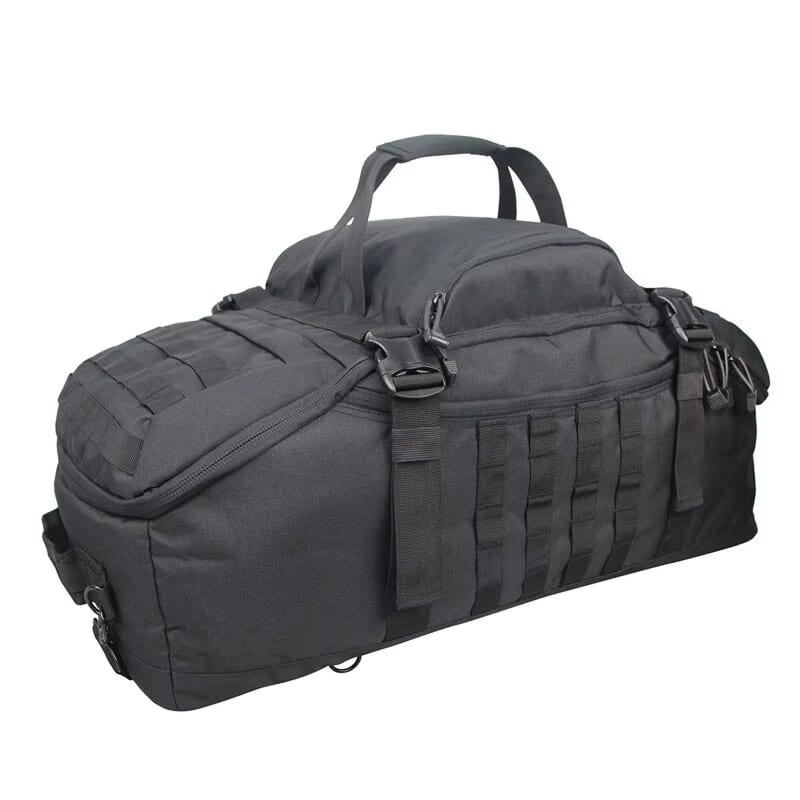
The IronPeak Voyager is a hunting backpack with an 80L main compartment and four pockets. Sorting layers, optics and calls into separate spaces before a multi-day trip is how the pocket layout is meant to be used.
It has MOLLE webbing, so you can clip binoculars, calls or a rangefinder on the outside and keep them out of the main compartment. The shell is 600D polyester, a woven fabric used for field packs, and it suits brush, mud and wet ground when you wipe it down afterward.
For fit, it has padded straps and a removable, adjustable waist belt. You can also carry it on one shoulder or by the foam-padded handle. The product page does not list a frame or a meat shelf, so think about how you would handle a heavy meat load before choosing it for a remote hunt.
 In this guideIronPeak Voyager$148.99View
Water: carry it where you can reach it
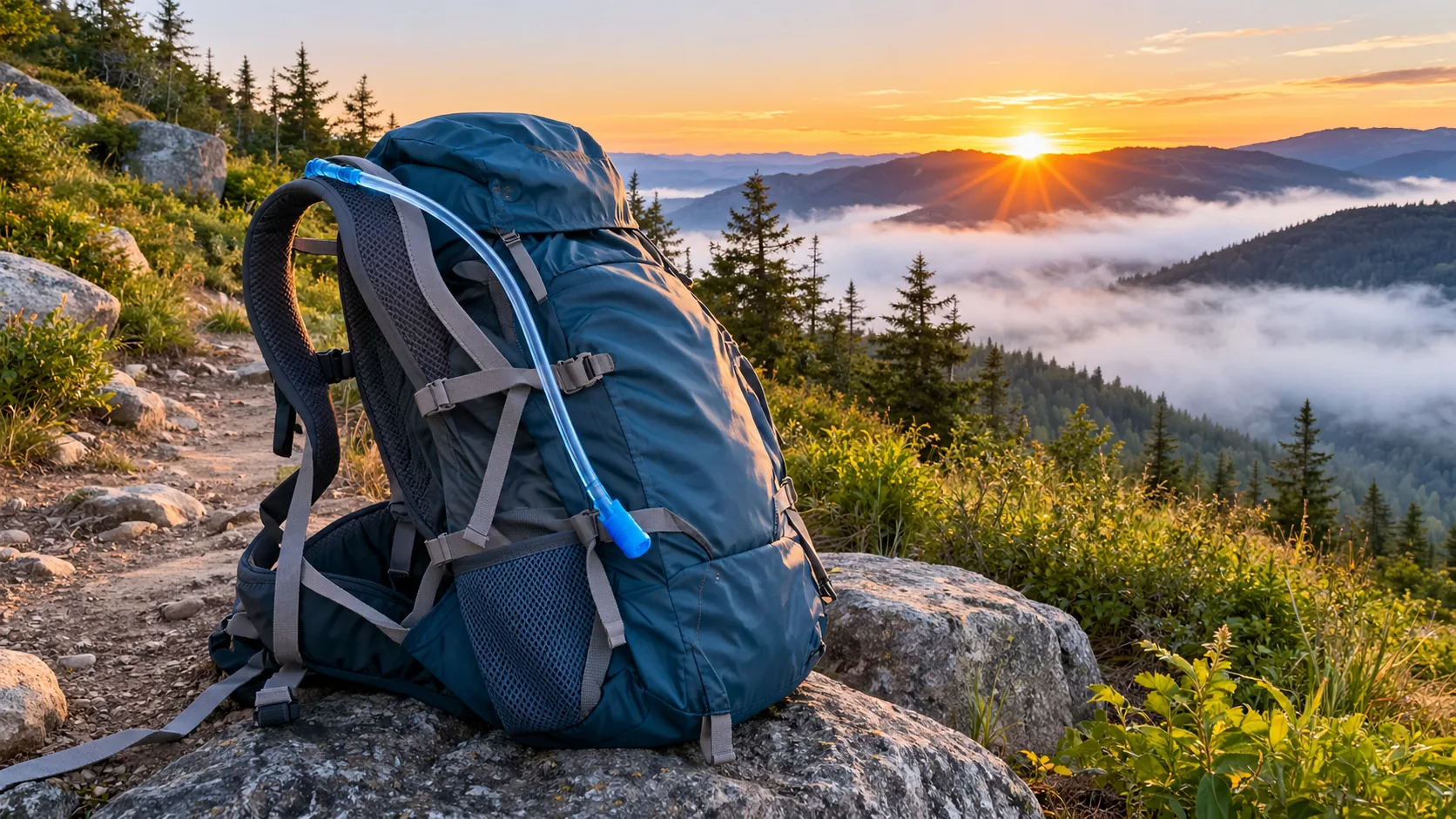
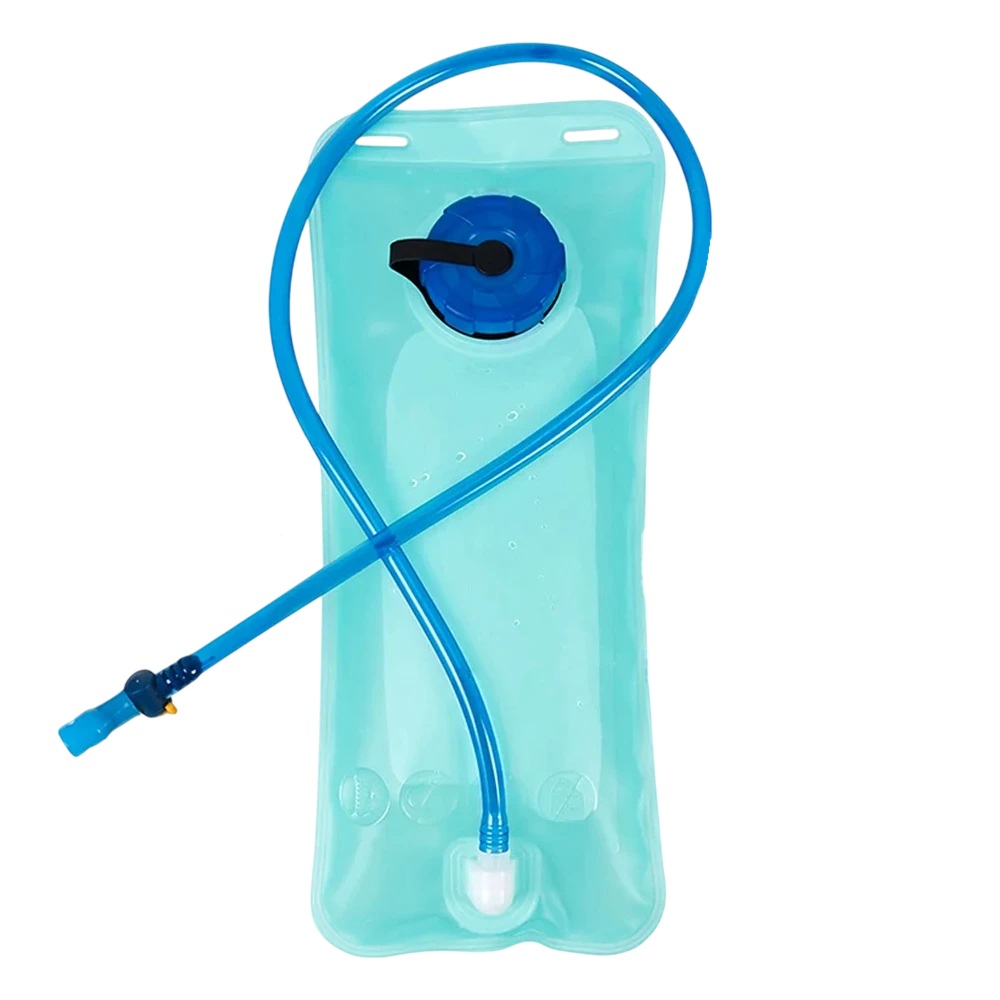
On steep ground, stopping to dig a bottle out of a pocket is awkward. A water bladder with a hose lets you drink without unpacking. The AlpineFlow hydration bladder comes in 1L or 2L sizes, with an insulated hose and bite valve, and it is made from a reinforced TPU composite.
Its wide-mouth opening lets you reach a hand inside to scrub it, and it takes ice cubes. A rotary shutoff switch closes the line, so twist it off between sips when it is packed in your bag. Check that your pack has room for a bladder before you rely on one.
Plan your water around the terrain: note where you can refill, and decide how much to carry between sources. A bladder sits inside the pack, so fill it before you load the rest of your gear, then pack heavier items around it.
 In this guideAlpineFlow$59.99View
Loading checklist for a multi-day hunt
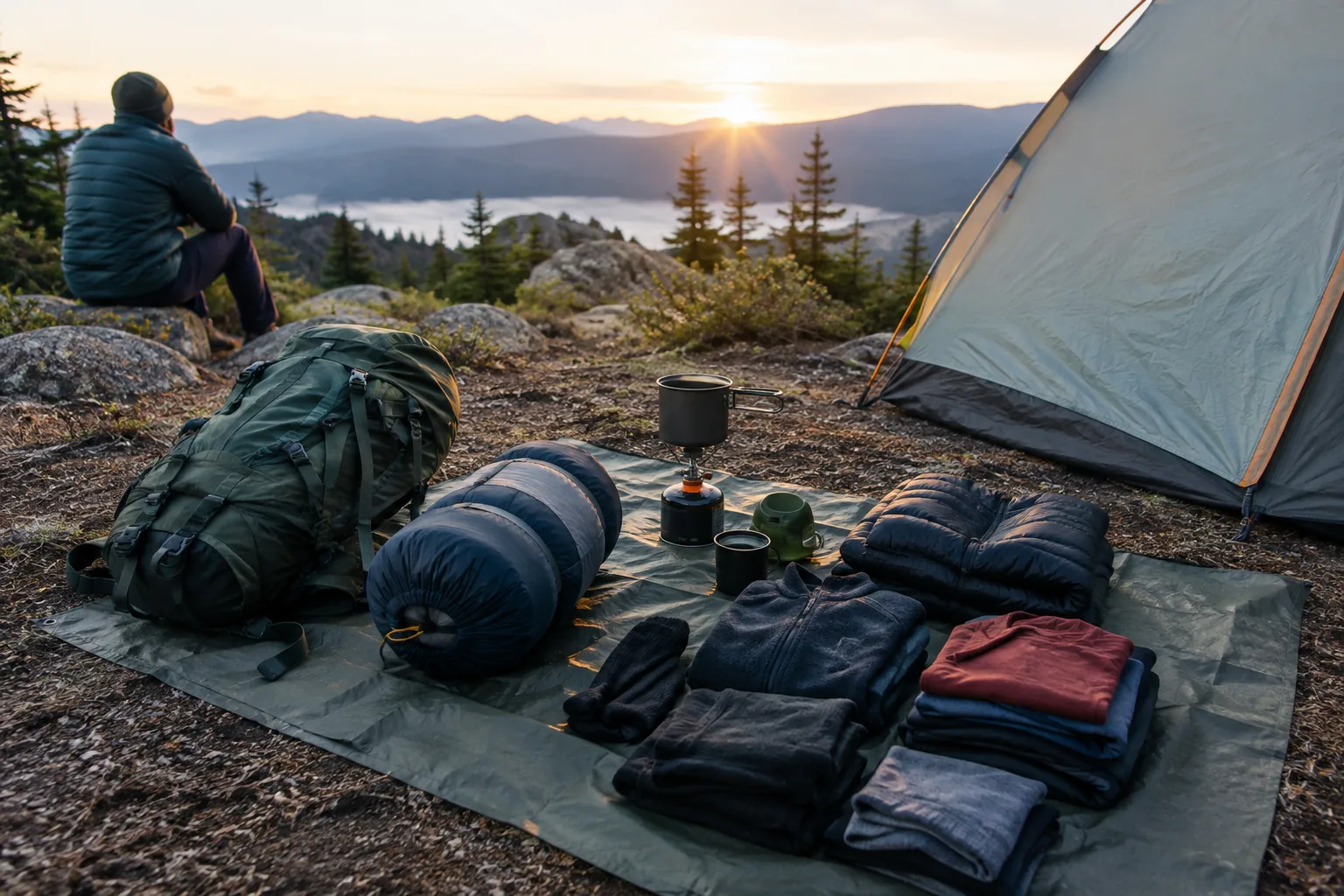
Where gear goes affects how the pack carries. Heavy items sit close to your spine, between your shoulder blades and mid-back. Light items go at the bottom and top, and things you need during the day go outside.
| Zone | What goes there |
|---|---|
| Bottom | Sleeping bag, camp clothes |
| Center, against your back | Food, stove, fuel, water if not in a bladder |
| Top | Insulating layers, rain shell |
| Outside webbing or pockets | Binoculars, calls, rangefinder, knife, headlamp |
| Reserved space | Meat bags, game bags, extra cord |
| Reachable pocket | Map, navigation, snacks |
Before you leave the truck
- Weigh the packed pack and walk with it around your neighborhood.
- Adjust the hip belt, then the shoulder straps, then the load lifters if your pack has them.
- Tape or tie down loose buckles and straps that tick against each other.
- Fill your water and confirm the bladder hose is shut off.
- Leave your plan and return time with someone at home.
Field note
Pack with the return trip in mind: keep your meat bags and cord in one reachable spot, so you do not dig through your sleeping bag when you need them.
Common mistakes with backpack hunting gear
- Packing for comfort at camp instead of for the haul out.
- Choosing volume without checking torso length.
- Burying optics and calls inside the main compartment.
- Skipping a loaded test hike before the trip.
- Leaving a damp bladder or pack packed away after the hunt.
Care schedule after the trip
| When | What to do |
|---|---|
| Back at the truck | Shake out dirt and unpack wet items |
| Same day | Empty the bladder, reach through the wide opening to rinse and scrub it, and wipe the pack's shell |
| Next day | Let the pack and bladder dry fully before storing |
| Before the next trip | Check buckles, straps and the hose connector |
Scouting tools matter too; if you are placing a game camera before the season, the trail camera hunting guide explains placement.
You can browse more packs and hydration options in the Backpacks & Hydration collection.