Rod and Reel Fishing Combos: How to Pick the Right Setup
Choose rod and reel fishing combos by the fish and water: match rod length, power and reel size using the table, then run the buying checklist.
The Kesslund Team
October 24, 2026 · 7 min read
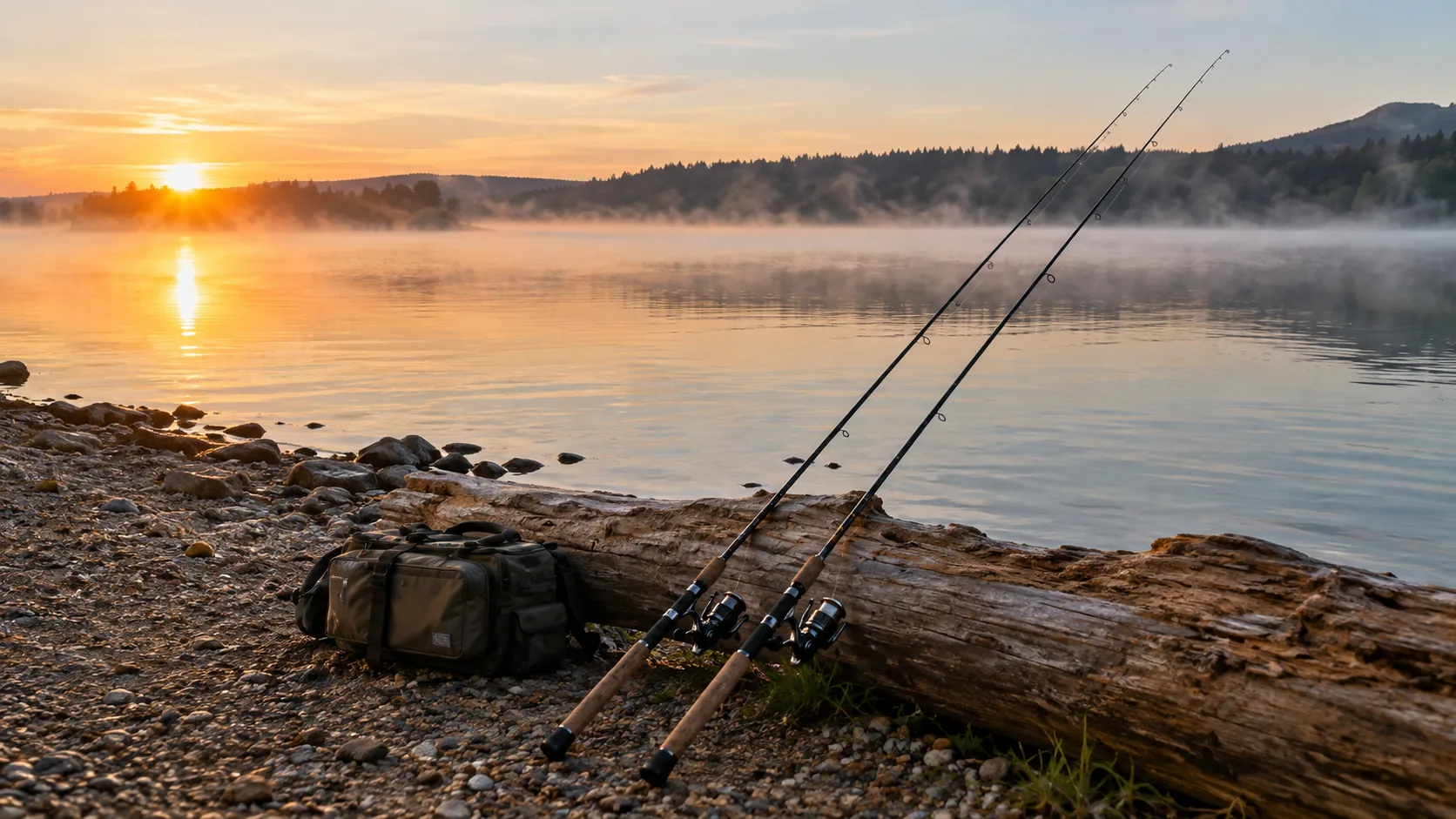
Choosing among rod and reel fishing combos starts with the fish and the water, not the package. Pick the rod length and power for the species and the spot, then pair it with a reel size that holds the right line and has a drag suited to the fish. A short, light combo suits a pond; a long, heavy one suits the surf.
This guide gives you a selection table, a plain explanation of length, power and action, and a short checklist to run before you buy.
What a rod and reel combo includes
A combo is a rod and a reel sold or chosen as a matched pair. The idea is that the reel seat, guides, line capacity and rod power suit each other, so you do not have to work out the match yourself. Some fishing rod reel combos come spooled with line; others do not, so check the product page before you count on it.
You can also build your own pair. That makes sense once you know what you fish for, because you can put a different reel on a rod you already like. If you are new, a matched set is a sound starting point for a first purchase.
Match the combo to the fish and water
Start with the table. It lists general starting points for rod and reel fishing combos, and you can adjust from there once you have a season on the water. Line weights and sizes vary by maker, so read the numbers printed on the rod blank and the reel.
| Target and water | Rod length | Rod power | Reel type and size |
|---|---|---|---|
| Panfish and small trout, ponds and creeks | 5 to 6.5 ft | Ultralight to light | Spinning, size 1000 to 2000 |
| Bass, lakes and slow rivers | 6.5 to 7.5 ft | Medium to medium-heavy | Spinning size 2500 to 3000, or baitcasting |
| Walleye and pike, lakes | 6.5 to 7.5 ft | Medium to heavy | Spinning size 3000 to 4000, or baitcasting |
| Salmon, rivers and shore | 8 to 10 ft | Medium to medium-heavy | Spinning size 4000 to 5000, or baitcasting |
| Inshore saltwater, piers and flats | 7 to 8 ft | Medium to heavy | Spinning size 4000 to 6000, sealed for salt |
| Surf fishing, open beach | 10 to 12 ft | Medium-heavy to heavy | Large spinning size 5000 to 8000, or conventional |
If you fish more than one kind of water, choose the row closest to your usual trips. A 7-foot medium-power spinning combo is an all-around pairing for the bass row: lakes and slow rivers.
Rod length, power and action
Length
Longer rods suit long casts and help you keep line off the water or over surf. Shorter rods fit brush-lined creeks, boats and kayaks. For bank fishing with open space behind you, 7 feet is a flexible length; for surf fishing, 10 to 12 feet gives you room to clear the breakers.
Power
Power describes how much load it takes to bend the rod. Ultralight and light rods suit small fish and light line. Medium and heavy rods suit bigger fish, heavier lures and thicker cover. Match power to the lure weight range printed on the blank, not just to the fish.
Action
Action describes where the rod bends. A fast action bends mostly near the tip and suits single-hook lures and sharp hook sets. A moderate action bends deeper into the blank and suits treble-hook lures and bait. If you cannot decide, medium power with fast action covers a wide range of freshwater fishing.
Spinning or baitcasting: choose the reel type
Spinning reels hang below the rod and let line peel off the fixed spool. They handle light lures and suit a first setup. Baitcasting reels sit on top of the rod and the spool turns during the cast, so they need brakes and a tension setting to control spool speed. They suit heavier lures and bass fishing.
For a full comparison, including spincast reels, read Fishing Reel Types: Spinning vs Baitcasting vs Spincast. It covers how each design casts and who it suits.
Reel size and drag
Reel size numbers give you a rough guide to spool capacity and body weight. Small numbers pair with light rods and thin line; large numbers pair with long rods and heavy line. The drag setting lets line slip when a fish pulls hard. Set it before you cast and adjust it on the water as the fish or line size changes.
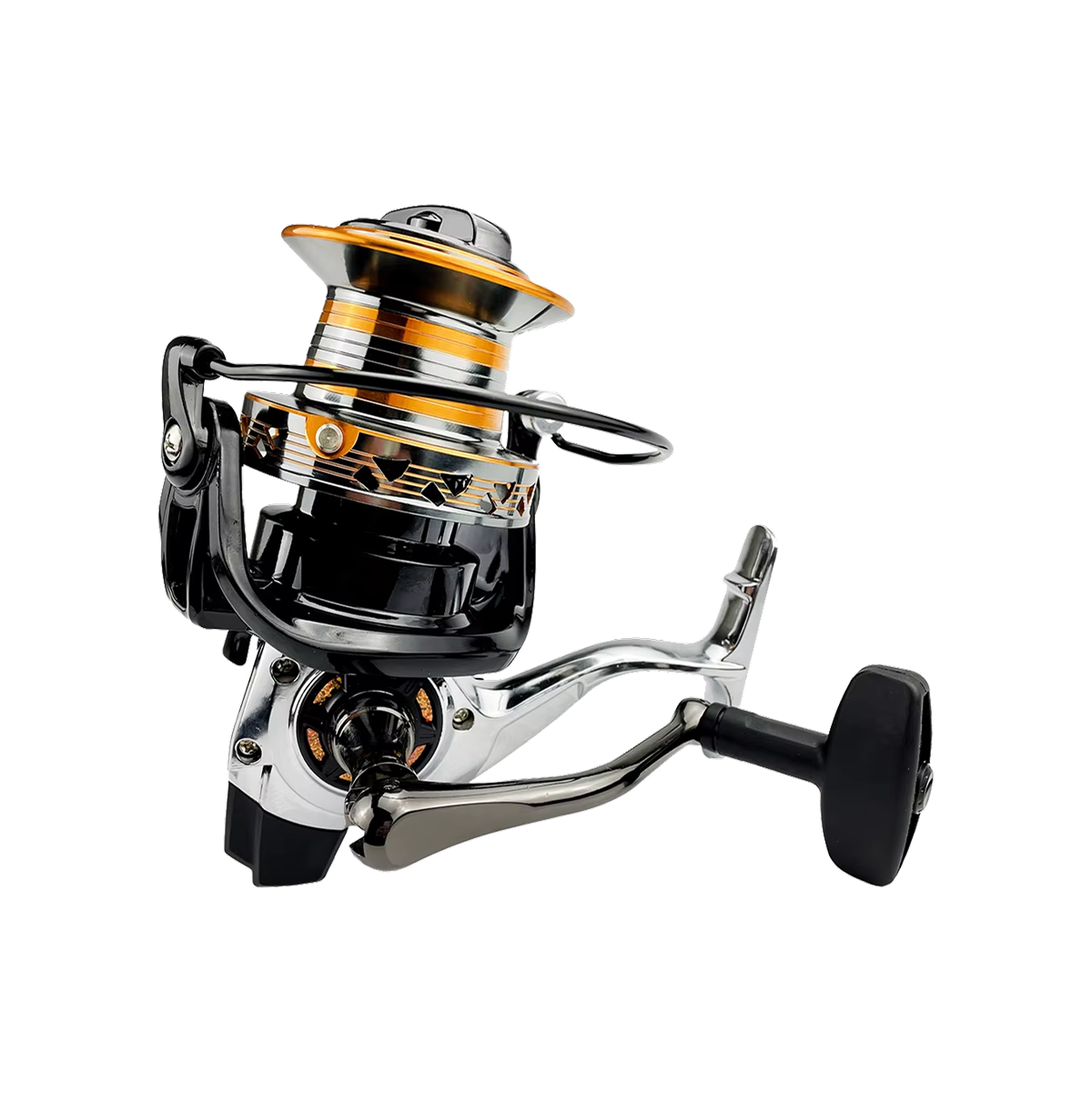
One example of a reel with a dual magnetic and centrifugal brake and a tension knob is the CastRidge Pro. It has an aluminum body, a rubber grip, a stacked carbon drag with a 30kg (about 66 lb) maximum setting, and 13 bearings. The brakes work together to control spool speed during the cast, and you turn the tension knob to match the lure you have tied on.
 In this guideCastRidge Pro$119.99View
The handle fits on either side, so you can set the reel up for the hand you reel with. The listing is for the reel alone, so you would pair it with a rod you choose from the table above.
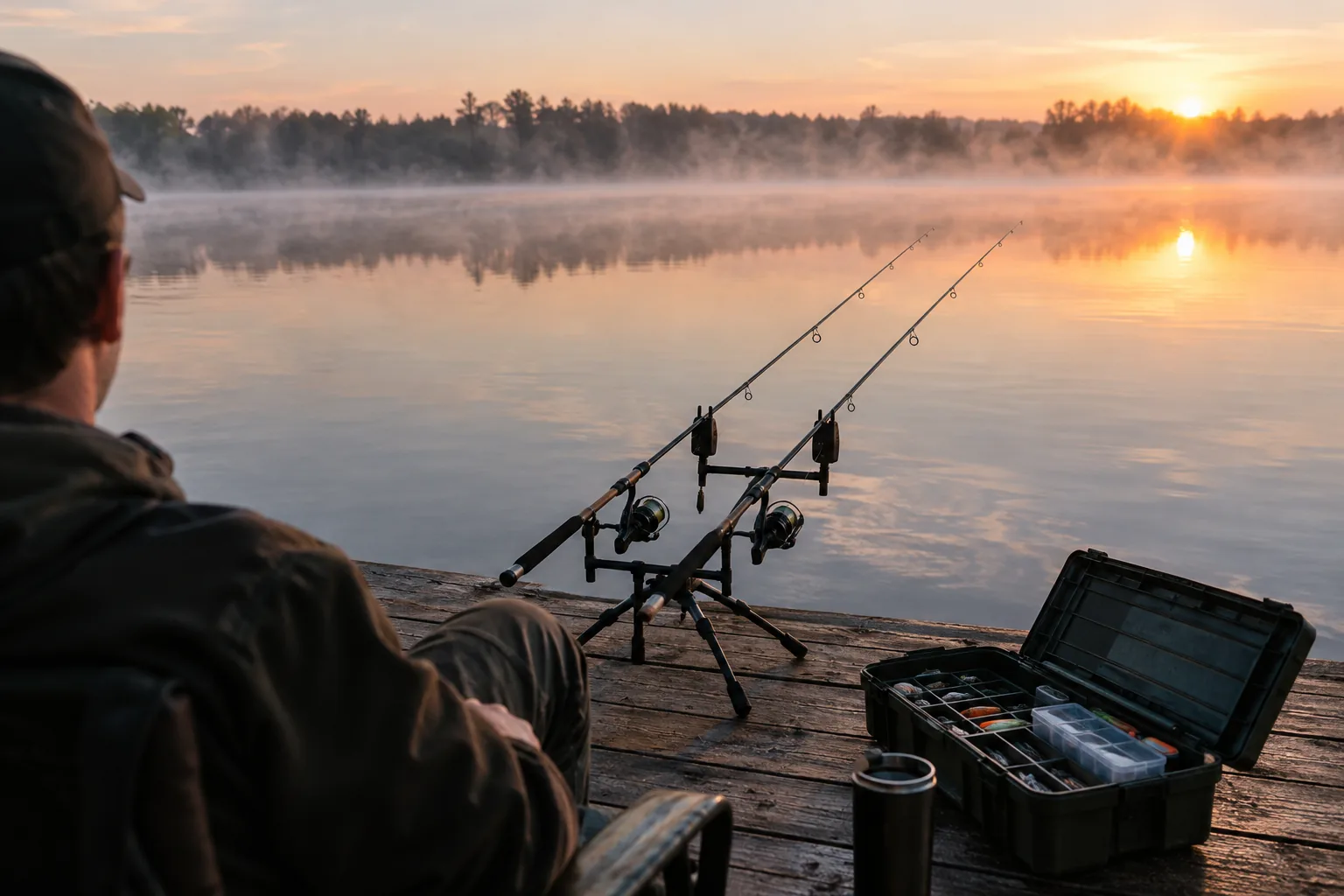
Freshwater or saltwater
Freshwater combos are built for lakes, ponds and rivers. Saltwater combos are built for salt spray and heavier fish, so look for reels described as sealed or made for salt, and rods with corrosion-resistant guides. Stainless steel parts appear on some saltwater gear, and the product page will say what the parts are made of.
You can use a saltwater combo in fresh water, but a freshwater combo should not go into the surf. If you want one combo for both, choose a saltwater-ready model and rinse it after each trip.
Surf and pier setups
Surf fishing calls for a long rod, often 10 to 12 feet, and a large reel with line capacity for long casts. Pier fishing allows a shorter rod, around 7 to 9 feet, since you are fishing straight down or short of the pilings. Add a sand spike or rod holder for the beach so the reel stays out of the sand.
Salmon and river fishing
Salmon rods run longer than lake rods, since you often cast from the bank and need to guide a large fish along current. Look for medium to medium-heavy power, a reel with an adjustable drag, and enough line capacity for a long run. Check local rules for line and hook limits before you go.
Decision steps before you buy
- Name the main species you want to catch and the water where you will fish.
- Find the matching row in the table and note the rod length, power and reel size.
- Check the lure weight range on the rod and make sure your usual lures fall inside it.
- Pick the reel type: spinning for light lures and a first setup, baitcasting for heavier lures once you have practice with brakes and tension.
- Confirm the line rating on the reel matches the line you plan to spool.
- Decide freshwater or saltwater, and check the materials on the product page.
- Check whether the combo includes line, a case or a rod sleeve, and add what is missing.
Field note
Check the weight of your usual lure before you pick a rod. Compare it with the lure weight range printed on the blank, and choose a rod whose range includes it.
Common mistakes with rod and reel fishing combos
- Buying a heavy rod for small fish. A stiff blank does not flex with light line, and you lose feel for bites.
- Using a reel too small for the line. Fill the spool to the level the manual shows; overfilled and underfilled spools do not match the reel's design.
- Setting the drag at the dock and leaving it. Check it again when the line size or target changes.
- Skipping the brake and tension setup on a baitcasting reel. Start with the brakes set higher and lower them as you gain practice.
- Leaving gear wet after a salt trip. Salt dries on guides and reel seats.
A state wildlife agency explains the basics of equipment for new anglers in a beginner guide to basic fishing equipment, which is a useful read before your first trip.
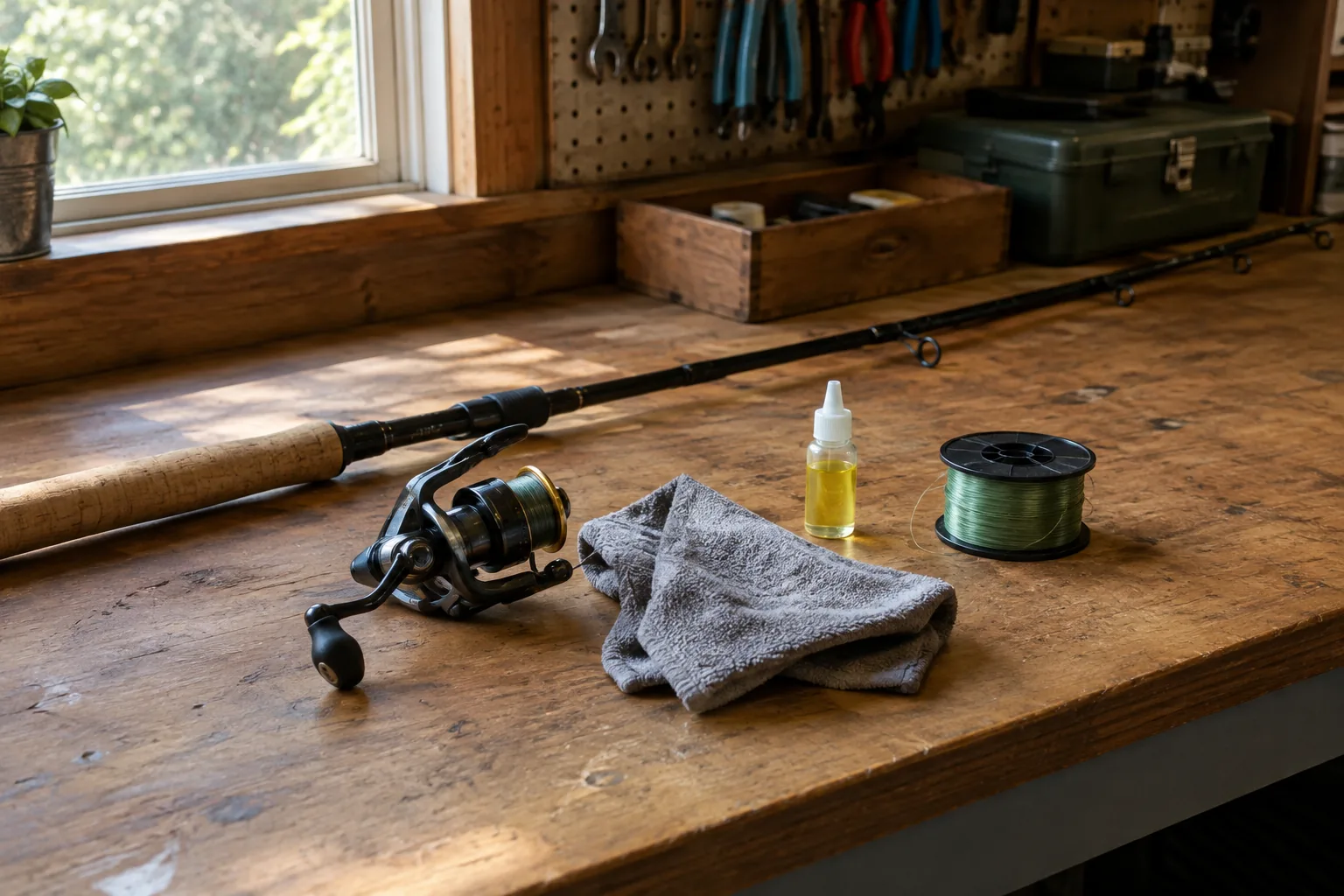
Care schedule for your combo
| When | What to do |
|---|---|
| After each trip | Wipe the rod and reel with a damp cloth; rinse with fresh water after salt or sand |
| After each trip | Loosen the drag so the washers are not held under pressure in storage |
| Monthly in season | Check guides for cracks or rough spots and look over the line for fraying |
| Each season | Replace worn line, then follow the manual for oiling moving parts |
| Off-season | Store the rod upright or in a sleeve, in a dry place away from heat |
Putting your choice together
Once you know your species, water and reel type, choosing among rod and reel fishing combos is a matter of reading the numbers. Browse our Fishing Gear collection for reels and accessories, and pair them with a rod that matches your row in the table. If you plan to add sonar to your boat or kayak, Fish Finder Fishing: How to Read Sonar and Locate Fish shows you how to find the fish you are matching your gear to.
When you compare fishing rods and reel combos, keep the target in mind: light and short for small fish, mid-length and medium for lakes, long and heavy for surf.