What Is a Soft Sided Cooler? When to Pick Soft Over Hard
A soft sided cooler is an insulated bag with a foam layer and wipeable liner. This guide compares soft and hard coolers by weight and trip type, then covers sizing and packing.
The Kesslund Team
October 19, 2026 · 8 min read · Updated October 28, 2026
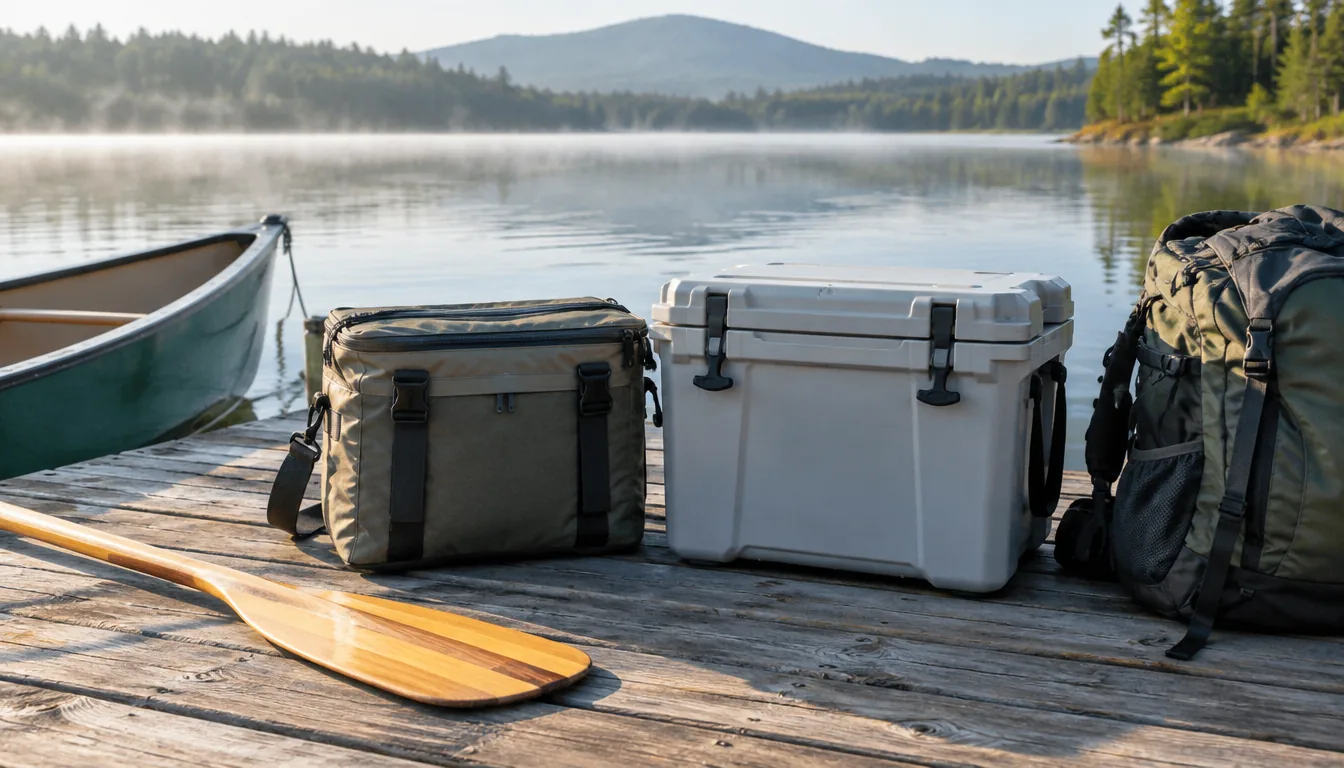
What is a soft sided cooler? It is an insulated bag with a flexible fabric shell, a foam layer inside and a liner that holds ice, food and drinks. It carries by handles or straps, and some styles collapse when empty. Pick soft for day trips and outings where you carry the load by hand or on your back, and pick hard when the cooler stays put in a vehicle, at camp or on a deck.
This guide explains how a soft cooler is built, compares it with a hard cooler by weight, size and trip type, and gives you packing and care steps for your next outing.
What Is a Soft Sided Cooler Made Of?
A soft cooler has three parts: an outer shell, an insulating layer and an inner liner. The shell is coated fabric. The insulation is often closed-cell foam, which does not soak up water. The liner is a smooth film, so spills stay inside and the liner wipes clean with a damp cloth.
The details that separate one bag from another are the seams and the closure.
Seams
Stitched seams leave needle holes. Seams joined with heat or radio frequency instead have no needle holes in the body. If you plan to carry ice, look for welded seams.
Closures
Closures come in a few styles: a standard zipper, a roll-top fold, a magnetic flap or a low-friction closure that opens with one hand. A zipper opens wide for loading. A roll-top folds down and buckles. A one-handed closure helps when your other hand holds a paddle or a trekking pole.
Common soft cooler shapes
- Tote or cube: handles and a shoulder strap, suited to picnics and the beach.
- Backpack cooler: padded shoulder straps that spread the load across your back.
- Lunch bag: a small bag for a meal and an ice pack.
- Soft cooler with a hard liner: a bag shell around a rigid inner tub that holds its shape.
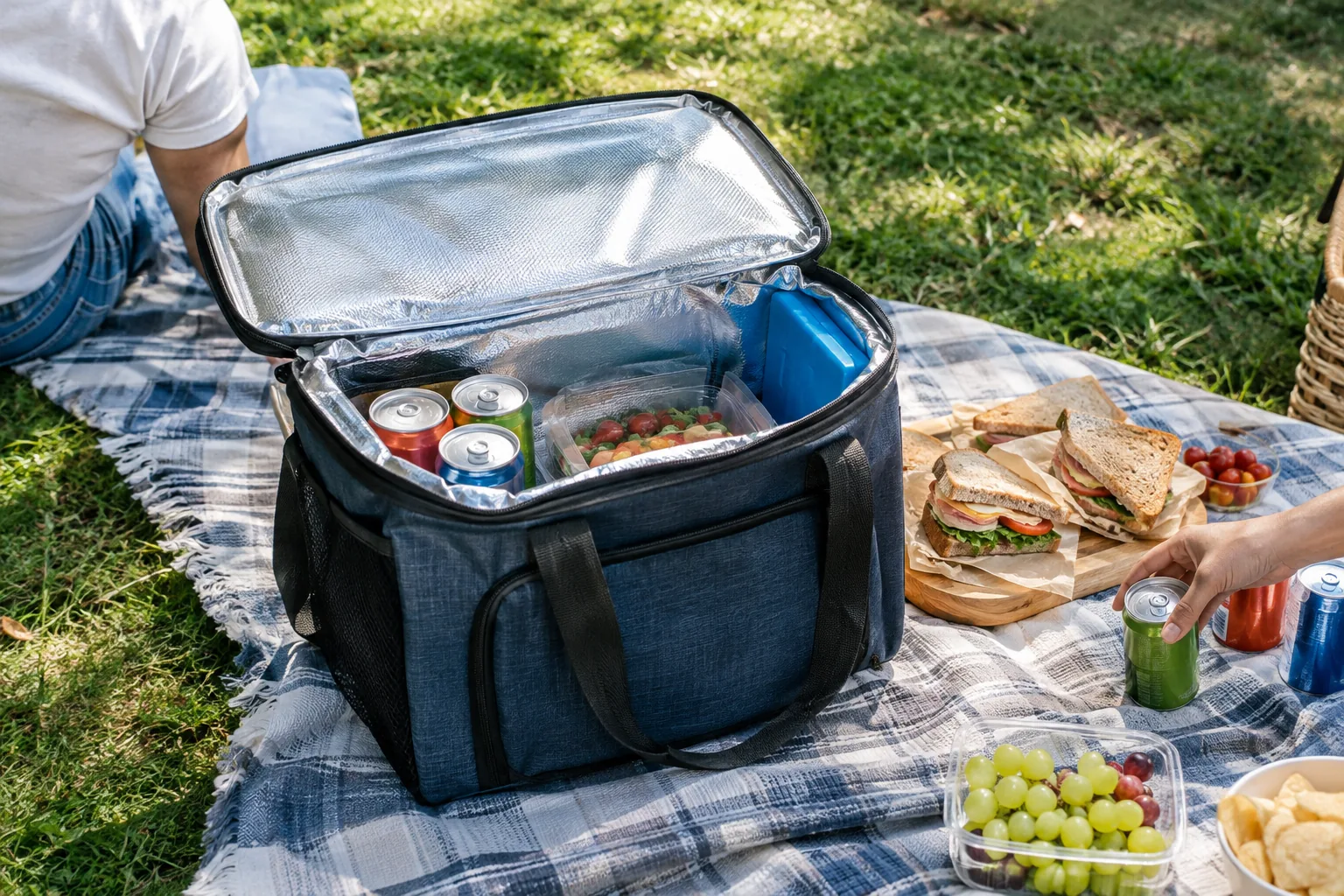
Soft vs Hard Cooler: Side-by-Side Comparison
The choice comes down to how far you carry the cooler, how long the contents must stay cold and how much room you have to store it. Here is how the two styles differ in build and use.
| Factor | Soft sided cooler | Hard cooler or cool box |
|---|---|---|
| Shell | Flexible coated fabric | Rigid molded plastic |
| Weight when empty | Fabric shell with a foam layer | Rigid shell and thick walls add weight before any ice goes in |
| Insulation | A foam layer sewn or welded into the walls | Thicker insulated walls, often in several layers |
| Carrying | Handles, shoulder strap or backpack straps | Handles on the sides, sometimes wheels |
| Storage when empty | Some fold or collapse | Keeps its full size |
| Lid and top | Not meant to be sat on or stacked | Rigid lid gives a flat surface; check the manual before sitting or standing on it |
| Cleaning | Wipe the liner, then air dry open | Wipe the smooth interior, drain, then dry |
| Suited to | Day trips, hikes, picnics, lunches | Car camping, boats, longer stays |
Ice retention
For ice retention, wall thickness is the main factor you can see. A hard cooler has room for thick insulation, while a soft cooler trades wall thickness for flexibility and a lighter carry. For a long weekend where ice has to last, plan on a hard cooler. For a day out, a soft-sided cooler is a reasonable choice when you pack it carefully.
Weight empty and loaded
A fabric shell is lighter to carry empty, and a rigid shell adds weight before any ice goes in. Loaded weight is a different matter: ice, drinks and food are heavy in either style. The carry weight you feel depends on how the load is spread, which is why padded backpack straps matter on a soft cooler you walk with, and why a hard cooler with side handles suits a short trip from trunk to table.
How to Choose a Cooler Size
Capacity is listed in liters or quarts, and it is the total interior volume, not the space left after ice. Size the cooler for the food and drinks plus the ice you plan to add.
- Count the people and the meals you are packing for.
- Lay out the cans and bottles you plan to bring, and note any tall bottles that need upright space.
- Add food containers, then leave room for ice around and above the load.
- Think about the carry: a larger bag is heavier once filled, so size for the walk, not just the menu.
| Use | Typical style | What to plan for |
|---|---|---|
| One meal at work or school | Lunch bag | One container, a drink and a flat ice pack |
| Picnic for two to four | Tote or cube | Sandwiches, fruit, a few drinks and ice |
| Day hike or river day | Backpack cooler | Drinks and lunch for the group, plus ice and spare room |
| Family weekend or boat day | Hard cooler | Several meals, many drinks and block ice |
A full cooler holds temperature better than a half-empty one because there is less air to warm, so choose a size you can fill. If you pack for a group, two smaller coolers can be easier to carry than one large one.
Which Cooler for Which Trip
Match the cooler to the way you move it, not just to the size of the food list.
- Day hike or riverbank: a backpack style keeps both hands free. Our day hiking backpack guide covers pack size and fit if you plan to carry a cooler pack on the trail.
- Beach or picnic: a tote or a soft cooler on a wagon works well. Our beach wagon guide explains wheels and sand loads, and the Beach & Coolers collection lists more options.
- Lunch or office: a small lunch bag with a flat ice pack.
- Car camping: a hard cooler stays in the trunk or at the campsite, and you load it once.
- Boat day: a hard body sits on a deck or dock, and a soft cooler can ride along for drinks.
- Multi-day trip: consider two coolers, one for drinks you open often and one for food you open rarely.
Quick decision steps
- Estimate how far you carry it. Past a short walk, a pack or shoulder strap matters.
- Count how many people you feed and for how many meals.
- Check your storage space. A collapsible bag fits a closet shelf.
- Decide how often you open it. Frequent opening lets warm air in, so a separate drinks cooler helps.
Once you know what a soft sided cooler is and what it is built for, these steps point you to the right style.
Soft and Hard Options We Stock
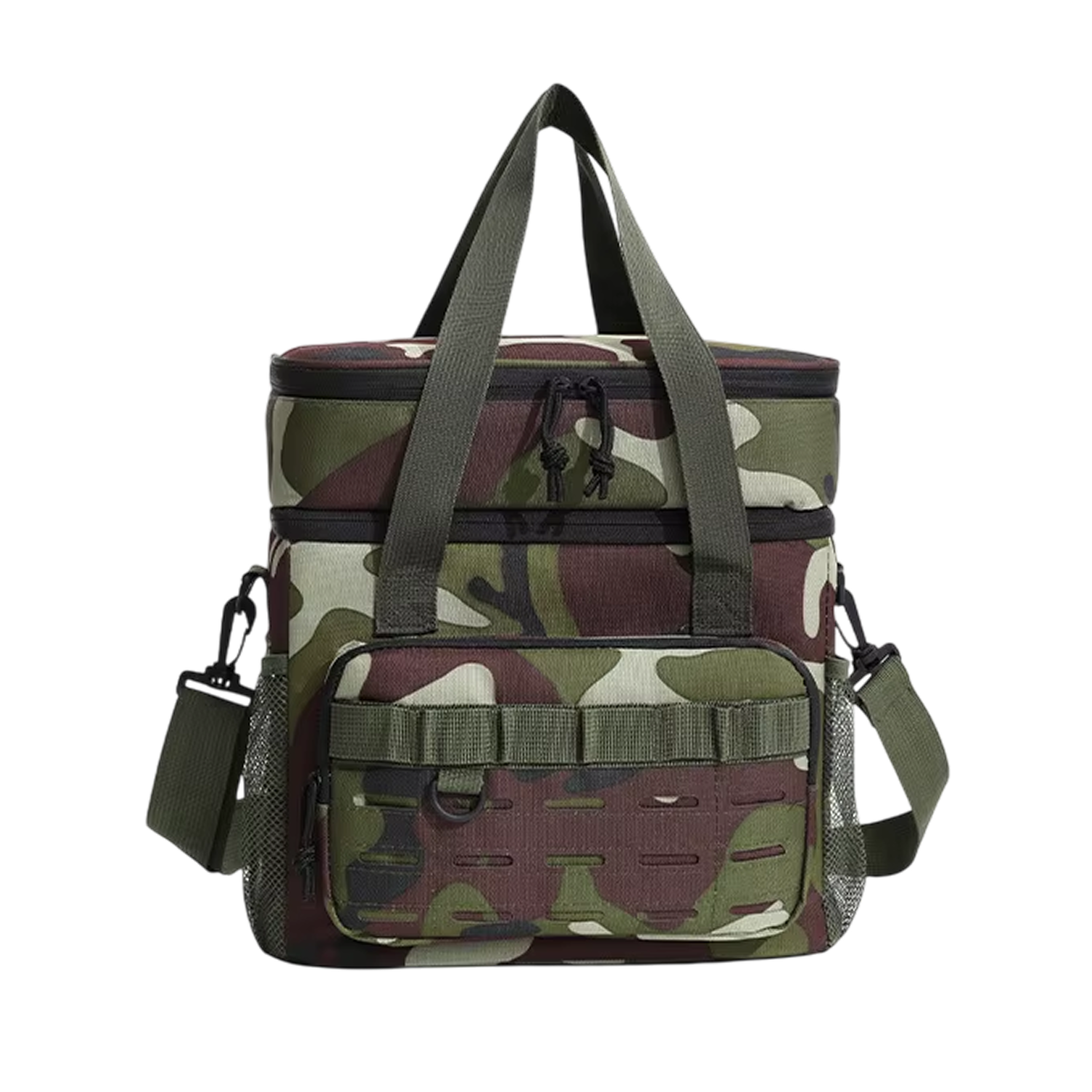
For a day on the trail, GlacierHaul is a soft-sided cooler with two interior compartments, so ice can sit apart from food and gear. It has a closed-cell foam lining and RF-welded seams. It carries by top handles or a shoulder strap, and external MOLLE webbing holds clip-on pouches on the outside.
 In this guideGlacierHaul$79.99View
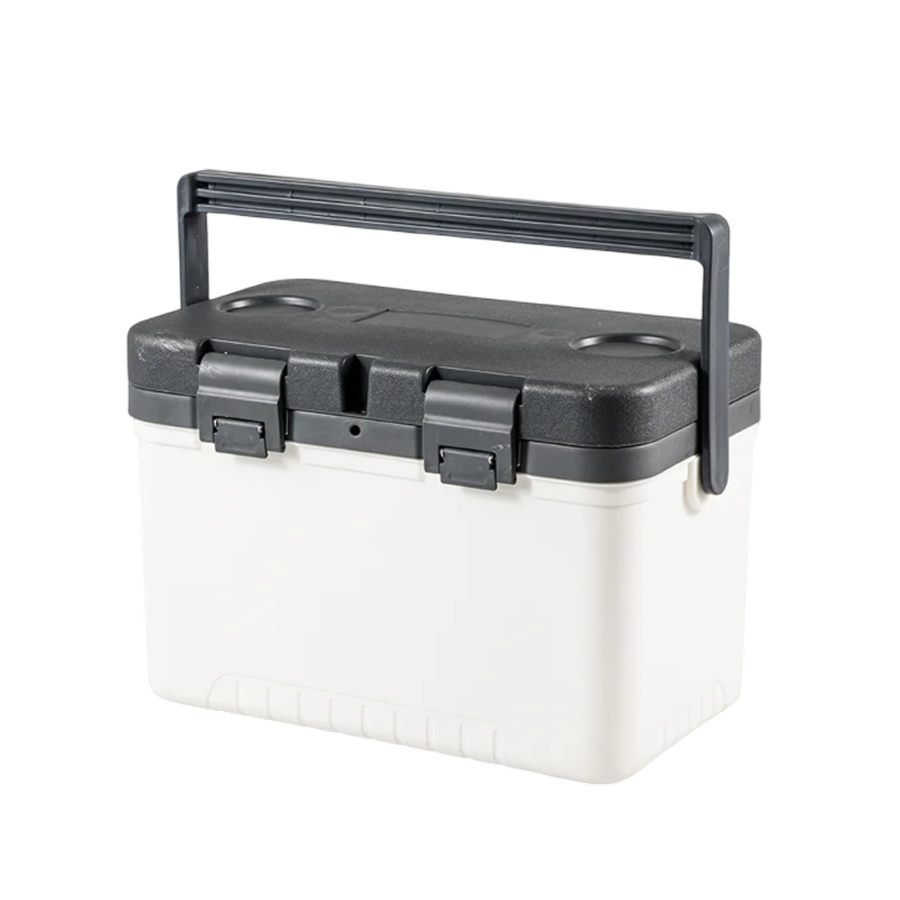
For a trunk, a boat deck or a picnic table, FrostHaven is a hard-sided cool box with triple-layer insulated walls, a rigid PE shell and a food-grade PP interior. It is sized for a family's food and drinks, and one person can carry it.
 In this guideFrostHaven$89.99View
How to Pack a Soft Cooler
Packing method matters as much as the bag. These steps suit most soft coolers and follow the same logic as the hard-cooler routine.
- Chill the cooler first. Put it in a cool room, or store a frozen pack inside it before you load.
- Cool the food and drinks in the refrigerator before they go in.
- Place ice at the bottom and top of the load, with food between layers.
- Pack the items you will want last at the bottom, and the first-needed items on top.
- Fill empty gaps with extra ice or a rolled towel, since air space warms the contents.
- Keep raw meat in sealed containers, apart from ready-to-eat food. A two-compartment layout helps.
- Close the cooler fully and open it only when needed.
Field note
Keep the cooler in shade and off hot ground, such as a car seat in the sun or dark pavement. Set it on a towel or a pack in the shade at your stop.
Ice Types: Packs, Blocks and Crushed Ice
The ice you choose changes how you pack. A reusable ice pack is flat and tidy, so it suits lunch bags and small totes, and it keeps meltwater sealed inside the pack instead of loose in the liner.
Block ice melts slowly and works well in larger bags, while crushed ice fills gaps around cans and bottles. For a mix, put block ice on top and loose ice around the sides. Cold air sinks, so ice on top cools the layers below it.
Drain meltwater when you can. In a bag with welded seams and a wipeable liner, you can open it, pour out the water and re-pack.
Care and Common Mistakes
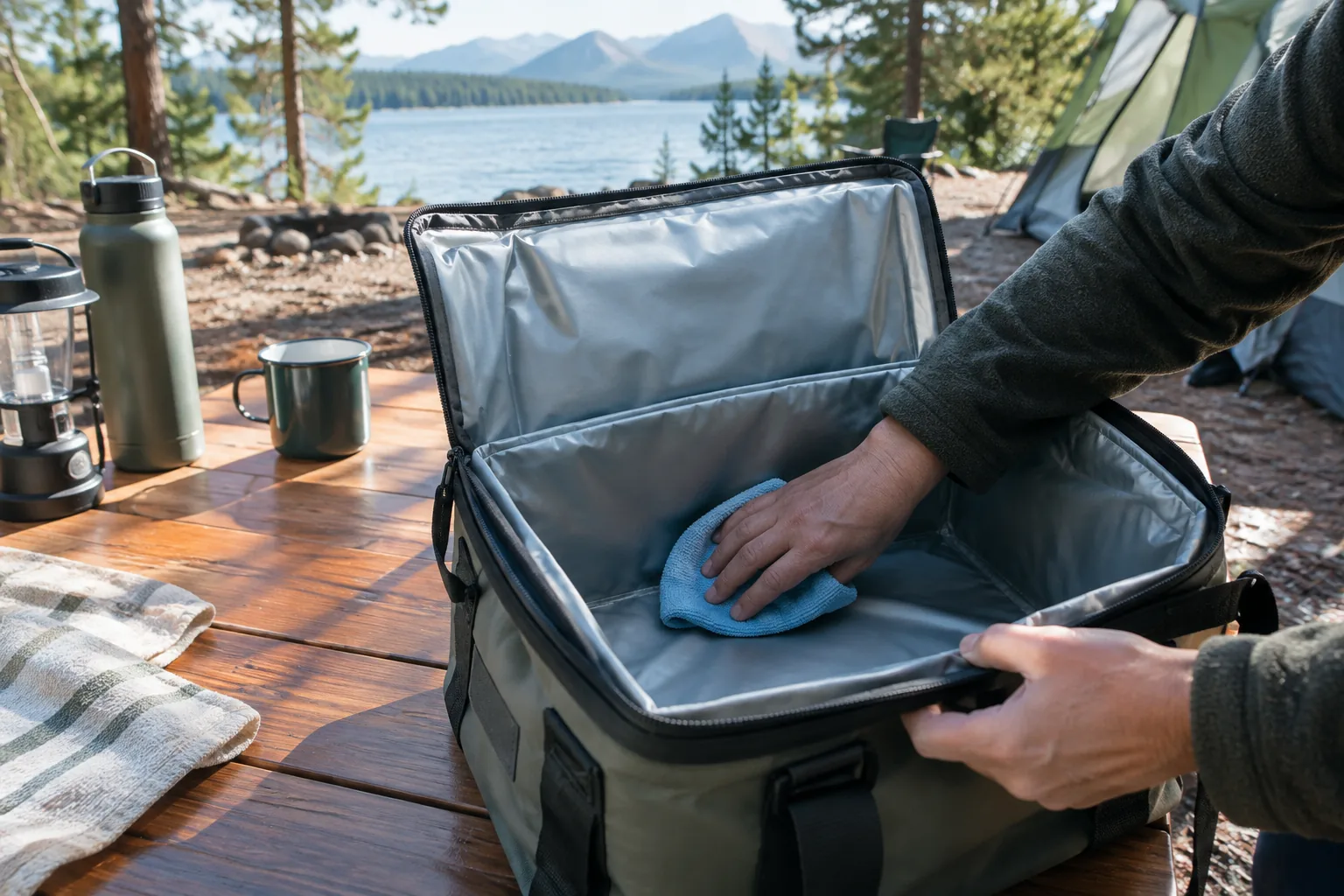
A short routine after each trip keeps the liner clean and the bag ready for the next one.
- Empty the cooler as soon as you get home and pour out any water.
- Wipe the liner with a damp cloth and mild soapy water, then rinse the cloth and wipe again.
- Leave the closure open and let the interior air dry fully before storage.
- Store the bag unzipped or loosely folded, away from heat and sharp objects.
- Check the seams, zipper and straps for wear before your next trip.
Mistakes to avoid
- Loading warm drinks and expecting ice to cool them.
- Leaving the cooler in a hot car or direct sun.
- Packing too little, which leaves air space.
- Opening the cooler repeatedly to look inside.
- Putting sharp tools or hooks against the liner.
- Storing the bag damp, which can leave odors.
If the cooler will hold raw meat or fish, wash the liner after every use and follow the care instructions that come with it.